Professor, political analyst and author Melissa Harris-Perry, Ph.D., will examine the personal and political effects of stereotypes on Black women when she lectures on the theme “More Than a Vote: Women’s Struggle For Full Citizenship.”
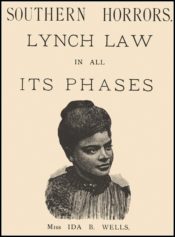
Part of the Ida B. Wells-Barnett Distinguished Lecture Series, Harris-Perry will delve deeper into the issues raised in her book Sister Citizen: Shame, Stereotypes, and Black Women in America (Yale 2011), where she explores the impact of negative race and gender images on the political perspective, participation and rights of Black women.
Free and open to the public, her lecture takes place Feb. 21 at 6 p.m. in the Cosby Academic Center Auditorium at Spelman College. Harris-Perry will also sign copies of her book.
“Last week three professors from three different disciplines (political science, English, and history) shared with other faculty how they each used the book in their individual classes — one text with different points of entry,” said Mona Phillips, professor of sociology and director of the Teaching Resource and Research Center. “However, the common thread across disciplines is that Sister Citizen provides a frame for our students to think critically about their lives as Black women.”
In Sister Citizen, Harris-Perry argues that politics is not just about party affiliations, voting or ideology, but includes the struggle for “full recognition.” Her analysis explores how stereotypes about Black women — as oversexed and angry or as nurturing mammies — have led to them being ignored and marginalized politically. Using multiple methods of inquiry, she provides insight on how these stereotypes make it difficult for Black women to be their authentic selves and assert their rights in the political arena.
Read more: AtlantaDailyWorld