Hotel Chocolat – A Divine Chocolate Tour in St. Lucia

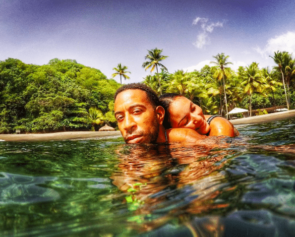
Hotel Chocolat, a boutique property in St. Lucia, features not rooms but “luxe pods,” where even the magnificently minimalist décor (rich mahogany floors, ivory-colored bathroom with open-air shower) evokes the essence of chocolate.

Hotel Chocolat’s union of tourism and agricultural development, specifically its devotion to all things cocoa, is part of a budding movement across the Caribbean. You might call it choco-tourism.

From Tobago to Dominica, Grenada to St. Vincent, the Caribbean cocoa industry, which has roots in colonial times, is being revitalized. This is excellent news economically: With free trade having all but destroyed the islands’ banana and sugar industries, fair-trade farming initiatives are a welcome boon.

And it’s hardly small-change news; the world price of cocoa nearly doubled from 2004 to 2008, with an even greater increase for the rare genre of bean the Caribbean is feted for: fine-flavored cocoa, which makes up just 5 percent of the global market. What grows in the Caribbean is the Champagne of cocoa. It even has its own promotional team: the two-year-old Caribbean Fine Cocoa Forum, a European Union-financed networking vehicle working to bolster production and exports in nine countries.

And then there is the tourism connection. Aficionados flock to Napa or the Loire Valley for wine tasting; why not go to stunning island locales to indulge in sun, sand, sea — and chocolate?

Read the full story at NewYorkTimes.com

Democracy needs journalism it can trust.

This election season, the stakes are higher than usual — and so is the pressure on newsrooms to soften their coverage, stay quiet, or just disappear. Independent reporting, the kind that answers to readers instead of advertisers or political pressure, matters more in a moment like this, not less.

For over 14 years, Atlanta Black Star has stayed independent and reader-funded. We have no corporate owner and no shareholders telling us what to cover or how to cover it. That independence is also our biggest vulnerability: nothing protects it except readers choosing to fund it directly.

Newspaper ad revenue has fallen more than 80% since 2005, and local newsrooms are closing at a rate of roughly two a week nationwide. When outlets go under in a moment like this, it's rarely the independent, reader-funded ones that get to stick around.

We know a request for support isn't why you came here. But without readers choosing to fund this work directly, the depth of reporting we can do at home and abroad shrinks along with everyone else's. If you're not in a position to give, that doesn't change how much we value you as a reader.

If you are able to, a recurring contribution does more for us than a single one-time gift, because it lets us plan the next investigation instead of just the next invoice. It takes about 30 seconds, no long form, no account. Thank you for continuing to support independent journalism and freedom of the press.

Back to top