Rick Majerus, the rotund, ailing, gym-addicted college basketball coach whose fun-loving personality was infectious, died Saturday of heart failure in Los Angeles, where he had been hospitalized for several months. He was 64.
Majerus was a joy, a quick-witted, funny, self-deprecating character who loved basketball, food and his players, but not necessarily in that order. Beyond that, he was a talented basketball coach who took Utah to the 1998 national championship game, losing to Kentucky.
He had just one losing season in 25 years on the bench between St. Louis, Utah, Ball State and Marquette. He backed out of a commitment to coach USC because of heart troubles.
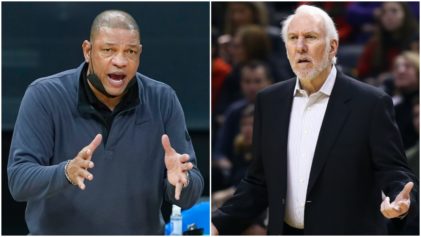
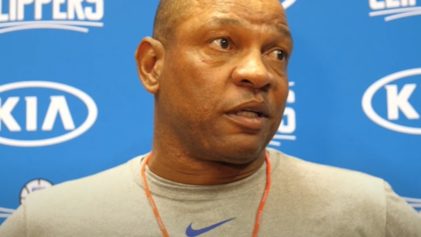
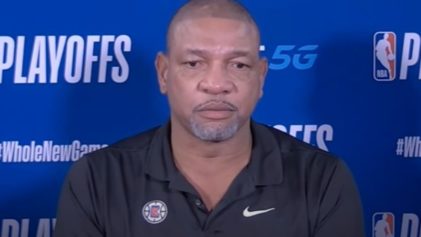
“That’s a tough one for me,” Boston coach Doc Rivers, a former Marquette star, said after the Celtics’ loss in Milwaukee Saturday night. “He’s the one that gave me my nickname. I knew before (the game) that he wasn’t going to make it through the night. I don’t want to talk much about it.”
“It was a unique experience (to play for Majerus), I’ll tell you that, and I loved every minute of it,” Saint Louis guard Kyle Cassity said to ESPN.com. “A lot of people questioned the way he did things, but I loved it. He’d be hard as hell on you, but he really cared.”
The school announced Nov. 19 that Majerus wouldn’t return to Saint Louis because of the heart condition.
He ended the school’s 12-year NCAA tournament drought last season, and bounced back from his only losing season, with a team that won its opening game and took top regional seed Michigan State to the wire. The Billikens were ranked for the first time since 1994-95.
“Coach has done so much,” Brian Conklin of St. Louis said back then. “Being his first recruiting class, he told me that we were going to help him build something special here. He’s a great coach. I couldn’t imagine playing for a better coach, a better person. He doesn’t just teach you about basketball, it’s about life.”
Saint Louis athletic director Chris May said in a statement that what he would remember most about Majerus “was his enduring passion to see his players excel both on and off the court.”
“He truly embraced the term ‘student-athlete,’ and I think that will be his lasting legacy,” May added.