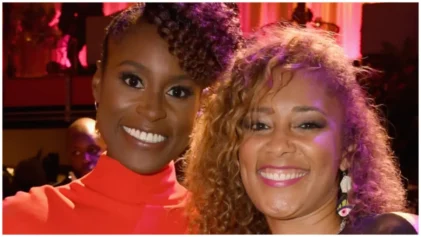
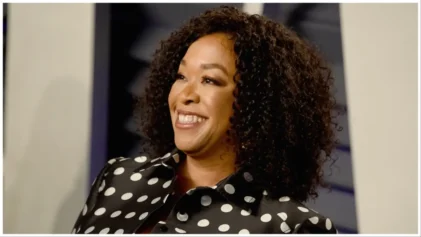
Shonda Rhimes’ production company Shondaland has sold Issa Rae’s new scripted drama and comedy “I Hate L.A. Dudes” to ABC.
If you’ve been hooked on Rae’s web series “The Mis-Adventures of Awkward Black Girl,” then you are in for a treat as Rae prepares to make the transition from the internet to film and television.
Her new television series “I Hate L.A. Dudes” tells the story of an aspiring journalist in L.A who seems to be having problems with men in almost every aspect of her life.
The main character is taking on the challenge of being the only female on a male-driven Internet talk show while also trying to figure out the L.A dating scene.
Rae will be writing and co-executing producing the series and is currently repped by UTA, and 3 Arts and John Meigs.
Working with Rae on the new show is also giving Rhimes the chance to expand into comedy despite the fact that her brand was built on a foundation of dramas.
Of course, this isn’t the only project on Shonda’s hands as she also has The Mix, Grey’s Anatomy, Private Practice, and Scandal to balance on top of adding the new dramedy to the bunch.
Without a doubt the new show is good news for fans of the “Awkward Black Girl” webisodes, but Issa may have done a lot more than add some new entertainment to television.
The ABG writer may be a sort of super hero for African American women when it comes to the way they are often portrayed in the media.
Experts are suggesting that Issa’s show might “reboot the black sitcom genre” by portraying blacks in a way that isn’t simply a stereotypical caricature that was created purely for laughs.
Years ago black sitcoms Good Times and The Cosby Show not only represented African American families in a non-stereotypical way, but also emphasized class struggled and how some African Americans could still fight their way to success in the 1970s and 1980s.
In 1987 A Different World made history for black sitcoms by putting students from every type of societal background under the microscope.
Whitley Gilbert was a depiction of a wealthy Southern aristocrat, Dwayne Wayne and Kimberly Reese were examples of blue-collar over achievers, while Freddie Brooks was simply a peaceful, free-loving hippie type.
As time progressed however, sitcoms who accomplished these groundbreaking moments became less and less and depictions of a true African American family are now hard to come by unless you tune in to BET.
This is where The Awkward Black Girl creator comes in to save the day.
Rae’s show tackles issues of race and the tricky topics of life with no censorship or biting of the tongue.
According to TheAtlantic.com, The Awkward Black girl “is the sum of black heterogeneity that defined ‘90s television.”
Although blacks on television were being confined to a small box where women of color were only over weight, rude, video vixens, or ill tempered, Rae broke the stereotype online by creating a black character who fit none of the mass media stereotypes of people of color.
Now that she is bringing that very same presence to television screens across America, she may posses the power to break the black main stream mold that has been in existence for more than a decade.
Jon Caramanic of the New York Times stated that Rae’s script was “a path… waiting to be followed.”
As Issa takes her talent to the mainstream mold she still wants her fans to be aware that she will always be a prevalent figure on the internet.
“…ultimately, I want to have a stronger presence on the web and be able to curate the content that I want to see,” the groundbreaking web show creator explained.
If she manages to recreate content on TV the way she did on the web, she will without a doubt earn a place in the history books.