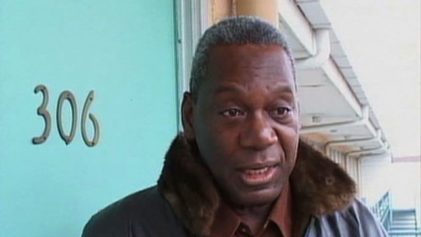
Memphis Grizzlies vice president of basketball operations and team programs, Dana Davis, was found dead in his apartment, shocking an organization that relied on his acumen and infectious personality.
Memphis Police were asked by team personnel to enter Davis’ Downtown apartment when he didn’t show up for work Wednesday. The cause of death is unknown. Foul play is not suspected.
Grizzlies owner Michael Heisley was particularly shaken by the news. He and Davis, 56, known affectionately as “Double-D,” were close.
“He was the most charitable human being I ever met in my life,” Heisley said. “I can’t handle it. It tears me up. He was almost like a son to me. I give millions of dollars to charity but he gave his life to it. When he wasn’t working for the Grizzlies, that’s all he thought about.”
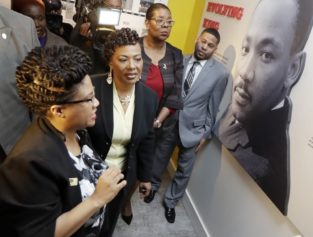
Davis was an only child to a white mother, Shirley Jean, and an African-American father, William “Mecie,” who was a musician. Davis recently became a member of the National Civil Rights Museum’s board of directors. Davis began as the Grizzlies’ traveling business manager but he evolved into a person responsible for more than just organizing plane rides, booking hotels and handing out per diem. He was described as part community activist, part fundraiser and part politician who had a knack for galvanizing people, according to the Memphis Commercial Appeal.
Davis jokingly called himself “head flunky” and a “professional beggar.”
“He was simply the heart and soul of the organization,” Fred Jones, founder of the Southern Heritage Classic told the Commercial Appeal. “He’s touched people in ways that have people calling from everywhere.”
National Civil Rights Museum president Beverly Robertson added to the newspaper: “He came in with great enthusiasm. It would not be strange for me to get a call on a Saturday at 4 p.m. because he wanted me to talk to someone famous about the museum. He had the mission of this place at heart. I can’t tell you what a loss it will be to the museum. In many ways, he accepted Memphis as his new home.”
Davis, from Peoria, Ill., once worked for eight years as business and tour manager for funk legend Bootsy Collins in the 1980s.
“He was a man’s man. He was a champion,” said Willie Gregory, a close friend and the director of community/business investment for NIKE. “He was the face of the Grizzlies in Memphis. Whatever you needed done he would get it done. He got joy in helping people.”
“He was a big part of this organization for a number of years,” coach Lionel Hollins said. “A lot of people depended on him. He enjoyed taking care of the players. It’s a big-time loss for our organization and a big-time loss for people who were close to him. He was a good, loyal friend. He meant a lot to a lot of people. We’re going to miss him.”