Singer Nicci Gilbert once ruled the R&B era as the lead singer of ’90s girl group Brownstone, who were the first act signed to Michael Jackson’s MJJ Music label. But when the spotlight dimmed, Gilbert struggled to get out of the bubble that was Brownstone.
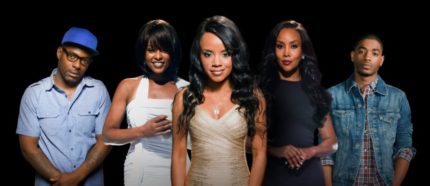
Now, as the star and co-executive producer of TV One’s new reality show, “R&B Divas,” (which premieres tonight at 10 p.m. EST), Gilbert is set to be a star all on her own. As a songwriter, TV producer and business owner, Gilbert is redefining her success. Along with castmates Faith Evans, KeKe Wyatt, Syleena Johnson and Monifah Carter, Gilbert has participated in recording a charity album in honor of Whitney Houston, with some of the proceeds going to the Whitney Houston Academy in New Jersey. BlackEnterprise.com caught up with Gilbert about the show, her clothing line, Curvato, and rebranding herself as an entrepreneur and TV star.
BlackEnterprise.com: As one of the executive producers of “R&B Divas” and the person behind the concept of the show, what compelled you to do reality TV?
Gilbert: There was a void in reality television. The images that I saw on television were not like the images of the relationships that I had with other women that I know.
Last year, Syleena [Johnson] wanted to walk the red carpet at the Soul Train Awards. She reached out to the PR company and they said they couldn’t accommodate her. But, as I’m going up the red carpet, I noticed NeNe [Leakes], Cynthia [Bailey], Shaunie O’neal—all these women hosting the carpet. I’m like, wow, we can’t provide access to walk the red carpet to a R&B singer, but we can put reality stars who are famous for being wives or mistresses of men and setting horrible examples. That’s when I realized, if you can’t beat them, join them.
Read the full interview here.