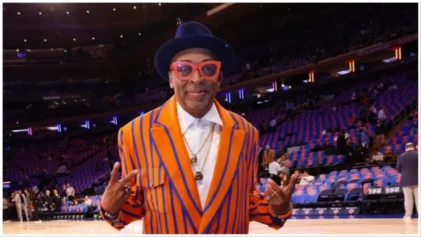
Spike Lee is making the rounds promoting his new film Red Hook Summer, which debuted last weekend with relative good numbers. On his stop in L.A., WHOGOTTHEROLE.com got a chance to talk to the director about his film and why studios didn’t want anything to do with it. We also took the opportunity to pick Lee’s brain about his plans for the American remake of Oldboy, a film that received some backlash from diehard fans after he was announced as director.
Spike is going back to his grass roots methods with Red Hook Summer to tell the story of Flik Royal, a sullen young boy from middle class Atlanta who was sent to spend the summer in Brooklyn with his deeply religious grandfather, Bishop Enoch Rouse. With Bishop Enoch wasting no time bombarding him with Jesus talk and having to deal with an unfamiliar Brooklyn lifestyle, Flik’s trip to New York City starts out very rough. But then he meets Chazz Morningstar, a pretty girl his age who shows Flik the brighter side of Brooklyn and helps him develop a different worldview.
We spent our brief time with Spike talking about some of the challenges he faced financing Red Hook Summer himself.
WHOGOTTHEROLE: Why did you want to tackle something so controversial? We’re dealing with molestation, we’re dealing with hypocrisy and religion.
Spike Lee: I don’t think it’s controversial. For me, I don’t think. I’m not saying this with any disrespect, I think that the word “controversial” is overused, I think the word is misused. It seems that any material that’s taboo or people are looking away from, their saying ‘oh, it’s controversial.’ I mean I just don’t see it like that. That’s just my opinion. There are some things specifically in the African American community that we won’t talk about. I wrote School Days in 1987, it came out in 88 — by black critics I was accused of airing dirty laundry in front of white folks. And now Gabby Douglas wins a gold medal, and what are black women talking about? Her hair! I talked about this shit in 88 and we still doing it? It’s 2012! Red Hook Summer is just a continuation of me just telling stories. Sometimes they deal directly with the African American experience, sometimes they don’t. But it’s me looking at stuff, me holding up the mirror and then people seeing the film and saying ‘eh, wait a minute!’ And then they walk out of the theater thinking about it, discussing it– all that stuff.
WHOGOTTHEROLE: Do you think that it might go over the heads of the black community, because when I say controversial I mean that concept might repel a very religious person from looking at the film the way you want it to be seen?
WHOGOTTHEROLE: So why is Red Hook Summer released in so few theaters?
Spike Lee: Well, this is not a Hollywood release. I financed the film myself. I distribute the film along with Variance Films. So when you don’t have a Hollywood release that means you don’t have the Hollywood dollars. So this is really a grass roots marketing approach in getting the word out.
WHOGOTTHEROLE: Was this by choice?
Spike Lee: Yeah! Don’t be fooled, don’t get it twisted you’re not going to see any TV ads, no radio ads, no big signs on buildings. Here is the film, get the word out and hope people support it.
WHOGOTTHEROLE: Are you pleased how well it’s doing after its debut weekend?
Spike Lee: Oh yeah! We were killing it in NY. And this week, we are going places in New Jersey and The Bronx. On the 24th we’re really going wider. So we are doing this press and getting the word out. Chicago, Detroit, Atlanta, Houston, St. Louis, Dallas, and Miami so we will be in the top 25 markets.
WHOGOTTHEROLE: I know you’re a basketball fan?
Spike Lee: I’m not going with the Brooklyn Nets.
WHOGOTTHEROLE: So you won’t watch them play unless it’s at Madison Square Garden?
Spike Lee: I mean if the Lakers come over here I’ll go, but I’m not a Brooklyn Nets fan.
WHOGOTTHEROLE: Any updates on Oldboy? Is everything going good?
Spike Lee: We’re in pre-production. Everything is going good. I’m going to kill em with this one!
WHOGOTTHEROLE: Anything extra you can let us know about it?
Spike Lee: I’ll have to hit you with the hammer then.
Red Hook Summer is currently showing in limited theaters. Check this old post to see when it’s playing in your city.