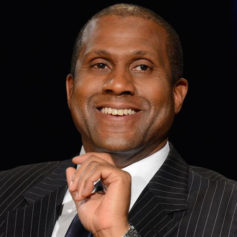
Thomas Allen Harris is a film activist, leveraging the platform of documentary filmmaking as a tool to empower, educate, and shed light on many under-the-radar stories within our combined histories.
I first collaborated with Harris on the Digital Diaspora Family Reunion, a multi-media project that sought to excavate family photos and uncover the valuable stories within them. I was very grateful to Harris for allowing me to share my family photos of Guyana and to tell a story of migration between continents and cultures. The reaction from my family once they saw the documentary feature was proof of how much this kind of work is needed: they felt validated that their story was not lost or forgotten.
Harris is now on a new threshold of activist filmmaking, one that aims to validate a community as authors of their own image. Through A Lens Darkly: Black Photographers and the Emergence of a People is a feature-length PBS documentary, the first of its kind, exploring the role of photography, from the 1840s to present, in shaping the identity of African Americans.
While the film is in its final week of fundraising via USA Projects, Harris shared with us the personal significance of this project, the challenges in creating the blueprint for this kind of film, and how he hopes the film will influence younger generations living in a digital era where the print photograph is increasingly obsolete.
Why is this film personally important for you?
I grew up in a family of photographers and activists. The first is that of my maternal grandfather, Albert Sidney Johnson, Jr., an amateur photographer who spent his life creating a vast visual archive, rich in history, of images documenting our family and extended family. Photography, like education, was his passion and he was obsessed with taking photographs of his family. Grandfather inculcated in all of the male members of the family the…
Read more: Turnstyle