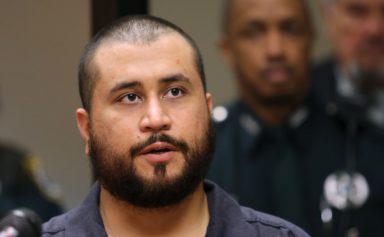
The woman who came forward to authorities in the George Zimmerman case to say that she was molested by him indicated she wanted to reach out because she feared that Zimmerman was motivated by a prejudice against black people.
The woman, described in court records as Witness #9, was identified by NBC News as a cousin of Zimmerman’s. She said Zimmerman, who is two years older than her, molested her over the course of a decade, starting when she was 6 and he was 8. The last time it happened, when they were teenagers, he invited her to a house where she thought a party was taking place only to find him there by himself and he started groping her on a bed until she ran out of the house.
“This is the first time in my life I’m not afraid of him,” she told investigators when asked why she decided to come forward now. “I know he is not going to be out in public. I’m not afraid of him now.”
“Growing up, (Zimmerman) and his family always made statements that they didn’t like black people if they don’t act like white people,” the witness, who would be about 27 now, told investigators on the tape. “They like black people if they act white. Other than that, they talked a lot of bad things about black people.”
“It’s just a known thing that that’s how the family feels,” she said.
In the past, Zimmerman’s father, Robert, who is white and who served for many years as a court magistrate in Florida, said that his son wasn’t racist because he had many black friends. Zimmerman’s mom is from Peru.
The damning witness testimony was revealed on tapes released by the Florida State Attorney’s Office yesterday, which was required to release them under Florida’s open records laws. Zimmerman’s attorney, Mark O’Mara, fought the release of the tapes because he knew they would be prejudicial against his client.
“The motion further contends that this irrelevant statement should be withheld from public dissemination because of the substantial risk that public disclosure will lead to widespread hostile publicity which would substantially impair the Defendant’s fair trial rights, and would pose a serious threat to the administration of justice,” O’Mara said in a statement posted to the Zimmerman defense web site.
“Now that this statement is part of the public record, the defense will vigorously defend Mr. Zimmerman against the allegations. In the next several weeks, there will be reciprocal discovery filed regarding Witness #9’s statement,” the statement said.
But while O’Mara questioned the relevance of Zimmerman being described as a molester and from a racist family, Benjamin Crump, attorney for the family of slain teen Trayvon Martin, thought the revelations were very relevant.