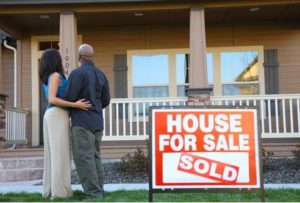
In 2016, less than 41 percent of U.S. homeowners were Black, according to the U.S. Census Bureau.
Things are finally looking up for the national housing market, as cities across the country are poised to move forward and rid themselves of the crippling effects of the Great Recession.
Despite the rebounding market, however, a recent report from the U.S Census Bureau revealed that homeownership among Black Americans remains well below the national average — 20 points to be exact. While homeownership rates for non-Hispanic whites was over 72 percent, those same numbers for African-Americans came in lowest at 41.7 percent.
There were an estimated 16.4 million Black households in the U.S. in 2015, making a 41.5 percent homeownership rate equal to that of nearly 6.8 million Black American homeowners. According to a 2016 report by the National Association of Real Estate Brokers on the state of housing in Black America, there would be close to 11.8 million African-American homeowners in the U.S. if those same numbers were adjusted to the 72.1 percent homeownership rate of non- Hispanic whites.
“This homeownership issue is a national promotion making sure that the African-American population understands the benefits of homeownership and trying to work toward owning your own home,” said longtime realtor William Mitchell, who works with NAREB. “I’m not trying to say that it’s a horrible thing. It’s so much better than it was five years ago, but we’re just slowly inching there.”
The rate for single Asian or Native Hawaiian and Pacific Islander householders came in second to white homeowners at 56.6 percent, according to the bureau’s findings. Stark disparities between the rates of white householders compared to Black ones didn’t change at all from the previous fourth-quarter rates of 2015.
Just last year, African-American homeowner rates were reportedly lower than the national rate during the Great Depression.
“We as Black people are not being afforded the opportunity to participate in the recovery because we are not being able to recapture what we lost during the downturn,” Ron Cooper, president of NAREB told The Grio. “It was drastic for us. We lost over a trillion dollars worth of equity and wealth and now we’re not given the opportunity to regain that back because of certain policies that prevent the opening of the credit box for all us to own homes.”
NAREB has since launched a 2 Million New Black Homeowners initiative aimed at increasing the number of African-American homeowners by two million over the next five years, The Memphis Daily News reported. If the organization reaches its goal, it would equate to a $500-billion increase in accumulated wealth to Black Americans.