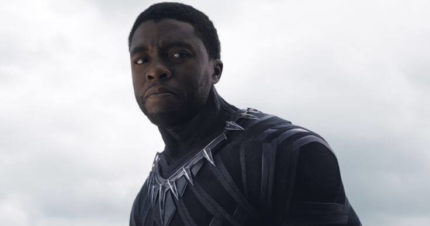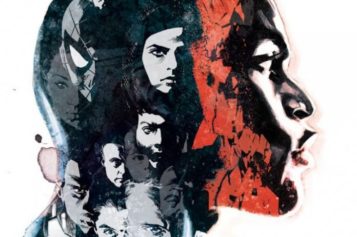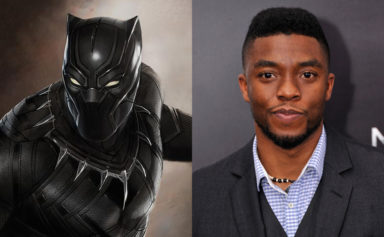
David Gabriel’s clarification about Marvel’s sales being affected by diversity didn’t quell Twitter critics. (ICv2)
It’s not diversity’s fault after all, according to a Marvel comics executive who previously claimed he heard efforts to introduce more Black and female characters into the universe negatively affected sales.
David Gabriel, Marvel’s vice president of sales, said purchases have been declining since October and had pointed to the introduction of characters like biracial Spider-Man Miles Morales, female Thor Jane Foster and Black student Riri Williams — who replaces Iron Man — for the lack of interest.
“What we heard was that people didn’t want anymore diversity,” Gabriel told ICv2 Friday, March 31. “They didn’t want female characters out there. That’s what we heard, whether we believe that or not. I don’t know that that’s really true, but that’s what we saw in sales.
“We saw the sales of any character that was diverse, any character that was new, our female characters, anything that was not a core Marvel character, people were turning their nose up against. That was difficult for us because we had a lot of fresh, new, exciting ideas that we were trying to get out and nothing new really worked.”
Gabriel issued a statement to the pop culture website clarifying that some retailers thought diversity was the root of falling sales.
“Contrary to what some said about characters ‘not working,’ the sticking factor and popularity for a majority of these new titles and characters … continue to prove that our fans and retailers ARE excited about these new heroes,” Gabriel said. “And let me be clear, our new heroes are not going anywhere! We are proud and excited to keep introducing unique characters that reflect new voices and new experiences into the Marvel Universe and pair them with our iconic heroes.”
He added that other store owners have praised the new characters and “invigorated their own customer base … because of it.”
“One thing about the new books that go through my store, they don’t sell the numbers that I would like,” a retailer told ICv2. “They do bring in a different demographic, and I’m happy to see that money in my store.”
G. Willow Wilson, writer of the Kamala Khan Ms. Marvel series, also shot back on her blog.
“There is a direct correlation between the quote unquote ‘diverse’ Big 2 properties that have done well [Luke Cage, Black Panther, Ms. Marvel, Batgirl] and properties that have A STRONG SENSE OF PLACE,” she said. “It’s not ‘diversity’ that draws those elusive untapped audiences, it’s particularity. This is a vital distinction nobody seems to make. This goes back to authenticity and realism.
“On a practical level, this is not really a story about ‘diversity’ at all. It’s a story about the rise of YA comics. If you look at it that way, the things that sell and don’t sell (AND THE MARKETS THEY SELL IN VS. THE MARKETS THEY DON’T SELL IN) start to make a different kind of sense.”
Online, users fired back at Gabriel’s original statements.
I love how Marvel thinks people are tired of "diversity".
NO I AM TIRED OF WATCHING UNCLE BEN DIE 373929463 TIMES.
— Alisha Rai (@AlishaRai) April 1, 2017
https://twitter.com/hoesling/status/848521176880095232
https://twitter.com/HelenaWayneBlog/status/848555810263375875
marvel: *literally does nothing to let ppl know abt new diverse heroes*
marvel: *soft reboots 24/7*
marvel: why r our sales dropping : ((— joshua (@strngloves) April 1, 2017
https://twitter.com/OKdoodle/status/848180305865302017