In America, immigration is usually painted as a Latino issue in the media. And that may be because 59 percent of the undocumented immigrants in this country are from Mexico.
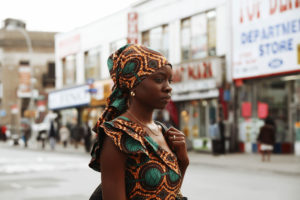
However, a recent ThinkProgress story says many Black immigrants are also caught up in the nation’s complex immigration process. There are about 400,000 Black people who fall into the undocumented category, but little is said about them.
Black Lives Matter has tried to raise awareness about undocumented Black immigrants.
“The United States of America is the most powerful nation on Earth. But this is still the nation where 11 million undocumented immigrants, including an estimated half-million undocumented black immigrants, are forced to live in the shadows under the looming fear of deportation and no pathway to citizenship,” said Black Lives Matter co-founder Alicia Garza on the organization’s website.
ThinkProgress profiled Mwewa Sumbwe, who cannot return to visit her native Zambia, because she lacks the proper documentation. Sumbwe thinks there is a lack of resources for Black undocumented immigrants.
“The opportunities are slightly harder [for Black immigrants],” said Sumbwe. “My biggest hurdle was scholarships. When I was applying, I didn’t find any scholarships for Black students that didn’t require you to be a U.S. citizen or permanent resident.”
Undocumented Latino students in California do not have this problem. They can apply for scholarships and other school resources.
Sumbwe said there is a general lack of awareness about undocumented immigrants in the Black community.
“I find it much harder to interact with Black Americans because they’re already anti-African,” Sumbwe said. “On top of that, they’re like, ‘You’re illegally here.’ There’s a huge disconnect. Being undocumented makes it more of a lonely experience.”
Many Nigerian immigrants, who have the highest degree attainment of all immigrant groups, find themselves in the same predicament. Because of this, it is not unusual to find highly educated Nigerians working in menial jobs or being underpaid. Since they don’t have the right documentation, they can’t apply for high-paying jobs that might require government clearance. According to a Cable article, thousands of Nigerians are known to overstay their visa and take menial jobs that are not documented for tax purposes.
According to ThinkProgress, Sumbwe is trying to raise awareness about undocumented Black students at her college in Maryland. Jonathan Jayes-Green, an undocumented Black Panamanian, is also highlighting this issue through his organization UndocuBlack Network, which had its first conference in Miami in January.
Jayes-Green said he struggled to pay for college, even though he graduated top of his high school class. Since he is undocumented, he is not eligible for financial aid.
“Our stories of Black undocumented immigrants are not being told from either side,” he said. “When we’re talking about Black lives, we’re not talking about the difficulties that the undocumented [Black] people have to bring to the conversation. When we’re talking about immigrant stories, we’re generally not highlighting and uplifting the Black struggles and how that intersectionality affects our identities and experiences.”