
10 Ways Segregation and Economic Deprivation Defined Chicago

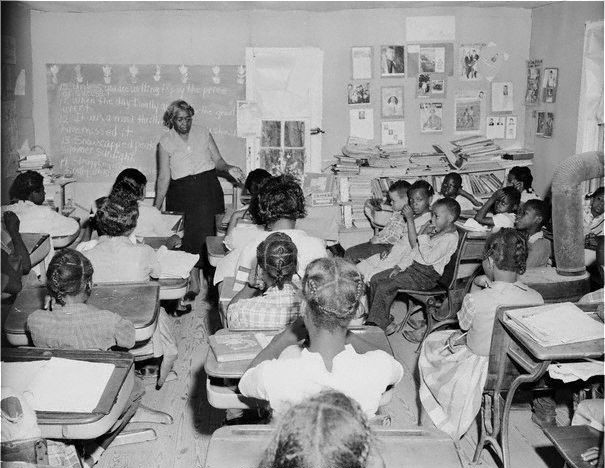
Segregated Classroom

School Desegregation

School desegregation became a big issue in Chicago during the years following World War II, as Black neighborhoods expanded and school officials redrew boundary lines to keep school districts as segregated as the housing market. Civil rights and Black community groups demanded that the schools be integrated and that funding disparities be addressed. However, Chicago’s white officials and residents resisted desegregation, and plans to achieve integration contributed to white flight from the city. When the Chicago Public Schools finally did undertake a court-ordered desegregation plan in the early 1980s, there were relatively few white students left in the system.


maggie0261

Blockbusting

Realtors would persuade Black prospective home owners to get homes in white neighborhoods. When Black residents moved into these neighborhoods, whites moved and property prices dropped dramatically. Once whites moved, other realtors came in and built multi-family dwellings, cramming large groups into row houses meant for a handful of people, explains the Daily Beast. So the realtors would urge white residents to sell quickly before Black residents came in and lower the housing prices, which led to profits for the realtors. This further segregated areas and created racial tension because the whites who could not sell blamed Black residents.

Subscribe To The ABS Newsletter — Get our stories in your inbox.

Independent journalism still matters.

We hope this story was worth your time. For over 14 years, Atlanta Black Star has stayed Black-owned and independently run. We didn't get here by waiting on ad budgets that were never built to prioritize us. Our readers did that.

Corporate support for Black media has always been thin. Outlets like ours get roughly 1% of the $170 billion spent on U.S. advertising each year, and that margin is shrinking further as advertisers walk back the DEI-linked commitments they made in 2020. That's the backdrop. It's not why we're asking.

The wider picture isn't any steadier. Newspaper ad revenue has fallen more than 80% since 2005, and local newsrooms are closing at a rate of roughly two a week nationwide. When outlets go under, it's rarely the ones built to center a Black perspective from the ground up that get to stick around.

We know a request for support isn't why you came here. But without readers choosing to fund this work directly, the depth of reporting we can do at home and abroad shrinks along with everyone else's. If you're not in a position to give, that doesn't change how much we value you as a reader.

If you are able to, a recurring contribution does more for us than a single one-time gift, because it lets us plan the next investigation instead of just the next invoice. It takes about 30 seconds, no long form, no account. Thank you for continuing to support independent journalism and freedom of the press.

Latest from Atlanta Black Star

Back to top