New Program Focuses on Providing Access to Technology to Black Middle School Boys

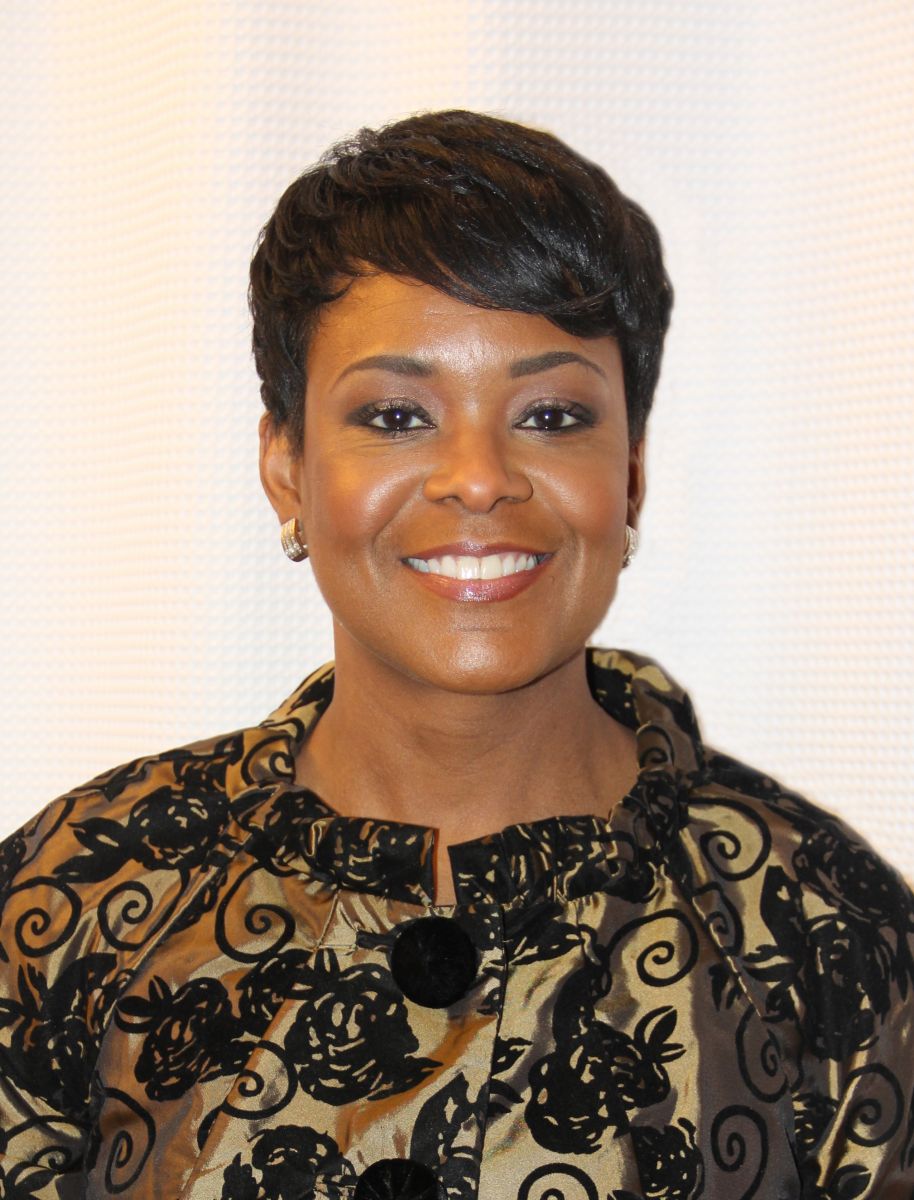
Kirk, Rose photo

Rose Stuckey Kirk

The telecommunications company Verizon has funded a program targeting 41 Black middle school boys that will help increase interest in the technology industry.

The Minority Male Makers program is a collaboration between Verizon, Morgan State University, North Carolina A&T State University, Jackson State University and Kentucky State University to give seventh and eighth grade boys fresh insight into STEM (Science, Technology, Engineering, and Mathematics) programs. These schools will provide mentors and faculty to teach the preteens a variety of skills such as coding, robotics, app design and development, 3D modeling, design and printing.

“We knew that we wanted a relationship with historically Black colleges and universities because it’s important that these kids are in an environment where they can see themselves and they can see success and they can see potential, and historically Black colleges and universities bring that and some,” said Rose Stuckey Kirk, chief corporate responsibility officer for Verizon.

The program will take place during four weeks of the kid’s summer vacation over the course of two years.  Many of the students were chosen from nine Baltimore area schools to feed into the program. Kirk plans to expand this program nationwide to include thousands of young Black males in order to educate youth in tech, inspire entrepreneurship, and create diversity in a field that desperately needs it.


Democracy needs journalism it can trust.

This election season, the stakes are higher than usual — and so is the pressure on newsrooms to soften their coverage, stay quiet, or just disappear. Independent reporting, the kind that answers to readers instead of advertisers or political pressure, matters more in a moment like this, not less.

For over 14 years, Atlanta Black Star has stayed independent and reader-funded. We have no corporate owner and no shareholders telling us what to cover or how to cover it. That independence is also our biggest vulnerability: nothing protects it except readers choosing to fund it directly.

Newspaper ad revenue has fallen more than 80% since 2005, and local newsrooms are closing at a rate of roughly two a week nationwide. When outlets go under in a moment like this, it's rarely the independent, reader-funded ones that get to stick around.

We know a request for support isn't why you came here. But without readers choosing to fund this work directly, the depth of reporting we can do at home and abroad shrinks along with everyone else's. If you're not in a position to give, that doesn't change how much we value you as a reader.

If you are able to, a recurring contribution does more for us than a single one-time gift, because it lets us plan the next investigation instead of just the next invoice. It takes about 30 seconds, no long form, no account. Thank you for continuing to support independent journalism and freedom of the press.

Back to top