 By Taylor Gordon
The decision by South Carolina police officers to not release dash cam footage of the death of an unarmed Black man at the hands of police is not only demonstrating the weakness of police body cameras, it is unveiling yet another ugly double standard when it comes to the treatment of white officers when compared to Black victims.
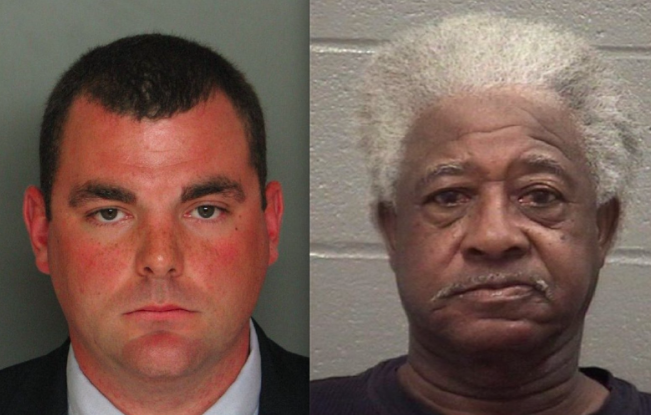
Dash cam footage captured the tragic shooting that took 68-year-old Ernest Satterwhite’s life back in February of 2014.
North Augusta officer Justin Craven attempted to pull Satterwhite over after receiving a call about a drunk driver. When Satterwhite refused to pull over, both he and the officer eventually ended up in his driveway.
That’s when officer Craven approached the vehicle and shortly afterwards fired into the car, killing Satterwhite.
To no surprise, Craven is claiming self-defense after insisting Satterwhite was reaching for a weapon, a report from Edgefield County revealed.
Satterwhite’s family has already reached a $1.2 million settlement with the city following the shooting but the officer’s trial is still underway.
In the meantime, the public will not be able to view the dash cam footage that captured the incident although those who have seen it describe it as being “horrible” and “offensive,” The Guardian reports.
Those who have seen the video are also unable to speak on record about the incident after being threatened with legal action if they decide to do so.
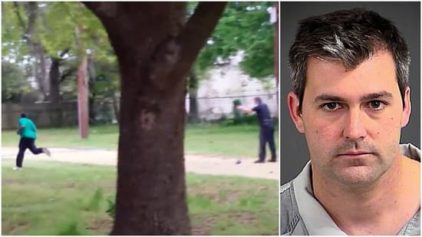
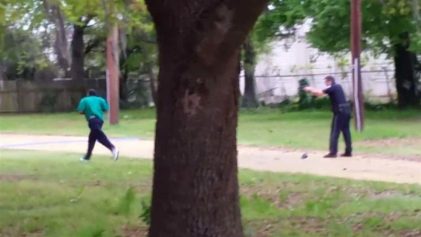
But why all the secrecy around the video? After all, this is the same state where the dash cam video of Walter Scott’s encounter was released to the public without much fuss.
The answer is painfully obvious.
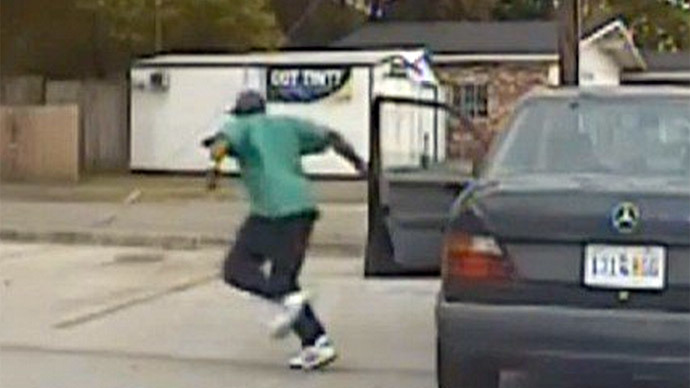 The department doesn’t want to release any footage that could tarnish the officer’s perception in the public eye in fear that it will interfere with court proceedings.
That’s the key difference in the case of Scott and Satterwhite.
The dash cam footage in Scott’s case did not capture the shooting. It only captured Scott running away during the traffic stop, a display that would have only worked to tarnish Scott’s image—not the officer’s.
The footage of the actual shooting was captured by a bystander, therefore, the police couldn’t keep that video from being released to the public.
According to reports about the video’s content in Satterwhite’s case, the officer’s image is at risk because it shows him shooting into a man’s vehicle while it is parked in his own driveway.
“In the North Augusta case, you’ve got a different set of facts that has a great concern,” said State Law Enforcement Division (SLED) chief Mark Keel in a video from the Associated Press. “It’s about justice and seeing everybody regardless gets a fair trial.”
That’s exactly what the South Carolina officers are arguing.
“As Edgefield County is a small county, the premature release of the video to be used at trial … would be harmful, unfairly prejudice the pre-trial opinions of potential jurors, prejudicial to the defendant and not in the interest of justice,” Solicitor Donnie Myers wrote in denying the release of the video this week to The Aiken Standard, which filed an open records request in April.
The irony of that reasoning is cringe-worthy.
When Black lives are taken, there is little to no hesitancy about releasing the type of footage, images or other documents to the public that create the perception of the victim as a violent criminal deserving of dying at the hands of police.
While these victims were not on trial, because the officers already decided they deserved a death penalty, their killers were still under investigation and releasing such information does have an impact on public perception and the perception of potential jurors.
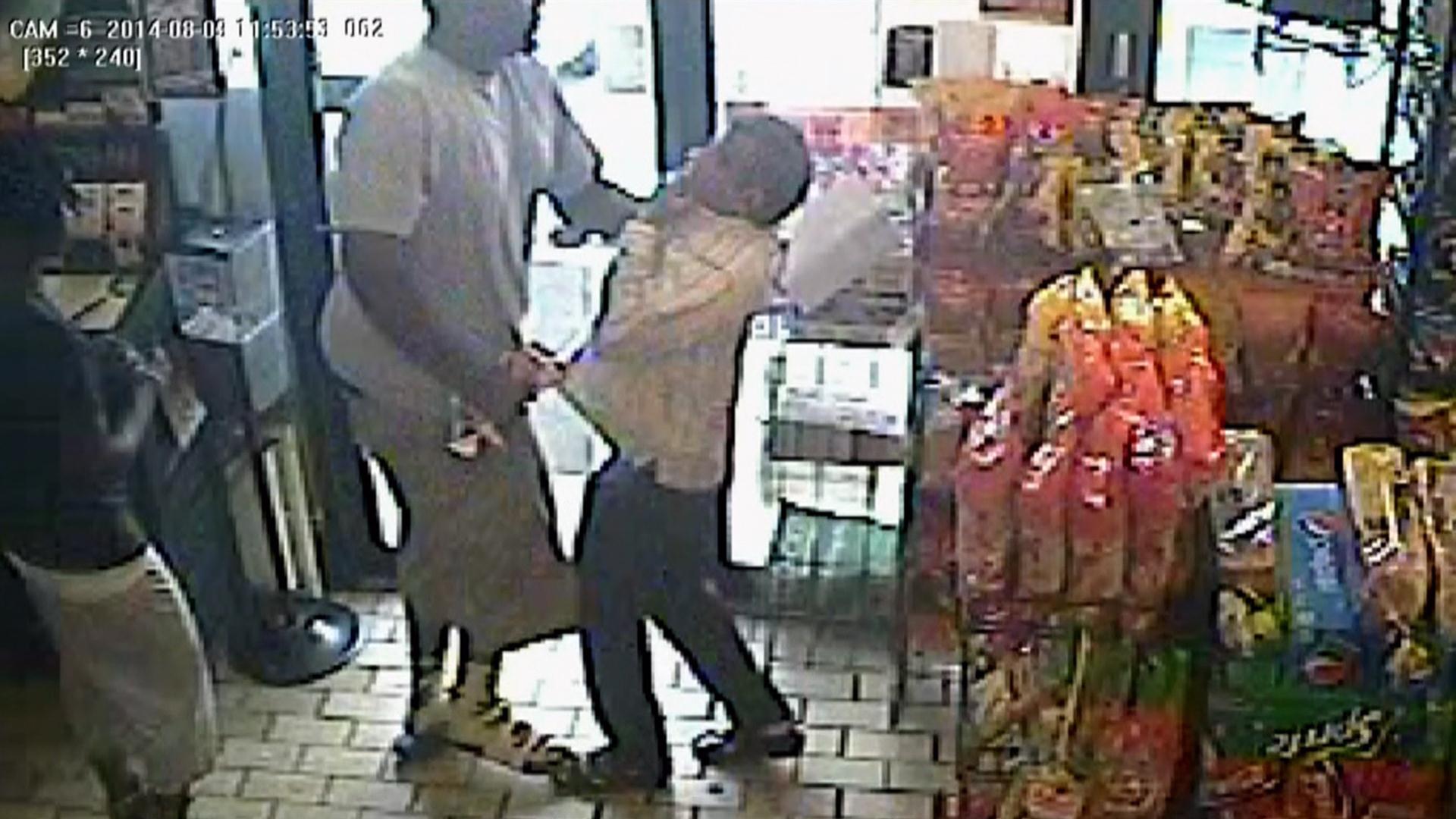
Surveillance footage of Michael Brown’s alleged robbery released to the public
It’s why Ferguson, Mo., police officer Darren Wilson wasn’t being accused of gunning down a recent high school graduate. He was being supported after shooting a “bully-ish” cigar thief.
South Carolina police say they will release the footage after the trial is already over, pulling back the curtain on yet another major issue with police body cameras.
Just how effective can the added surveillance be if police are the ones in control of when it will or will not be released to the public?
“That is totally unequal,” argues Bill Rogers, the executive director of the South Carolina Press Association, according to The Guardian. “Public records law needs to be applied the same in every case. Why do the police get to decide what the public sees? That’s not their job.”
Craven is currently facing a possible 10-year sentence if convicted of misconduct in office and discharging a firearm into an occupied vehicle.
A prosecutor initially attempted to get more serious charges pressed against Craven that would have resulted in a possible 30-year sentence if he were convicted of voluntary manslaughter.
A grand jury refused to indict him on the manslaughter charge.