9 Major Cities Experiencing a Shocking Level of Black Flight

In the 1990s, Black Americans began moving in significant numbers to the South. This marked a reversal of the Great Migration, in which Blacks fled Jim Crow racism in the 1920s and 1930s for jobs in the industrial cities of the Northeast, Midwest and West.

Analysis of 2010 census data shows that more than half the cities with large concentrations of Blacks have seen significant declines in their Black populations. Here are nine of those cities experiencing elevated levels of Black Flight.
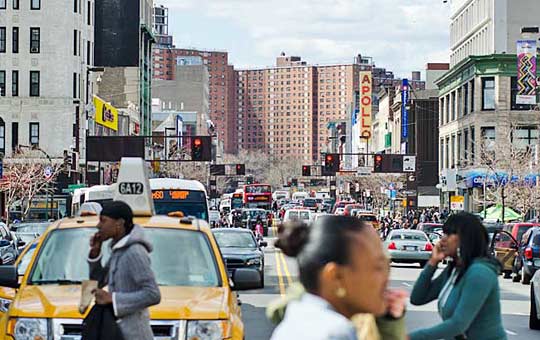
 

harlem new york
New York
According to the 2010 census, New York City still has the largest population of self-defined Black residents of any U.S. city, with 2,088,510 Black people (25.5 percent of total population) living within the city’s boundaries. But this is 41,252 fewer Black people since 2000.
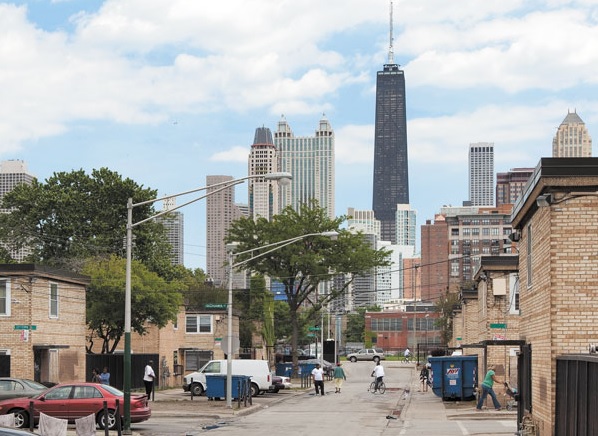


Chicago Streets

Chicago
The 2010 census showed the city of Chicago lost 200,000 people over the last decade. The city now has about as many people as it did in 1910. There are 181,000 fewer African-Americans in the city, a whopping drop of 17 percent, and 72,000 fewer in the region as a whole. An estimated 1 million Blacks remain — about one-third of the population.

Independent journalism doesn't fund itself.

We hope this story was worth your time. For over 14 years, Atlanta Black Star has stayed Black-owned and independently run. We didn't get here by waiting on ad budgets that were never built to prioritize us. Our readers did that.

Corporate support for Black media has always been thin. Outlets like ours get roughly 1% of the $170 billion spent on U.S. advertising each year, and that margin is shrinking further as advertisers walk back the DEI-linked commitments they made in 2020. That's the backdrop. It's not why we're asking.

We know a request for support isn't why you came here. But without readers choosing to fund this work directly, the depth of reporting we can do at home and abroad shrinks along with everyone else's. If you're not in a position to give, that doesn't change how much we value you as a reader.

If you are able to, a recurring contribution does more for us than a single one-time gift, because it lets us plan the next investigation instead of just the next invoice. It takes about 30 seconds, no long form, no account. Thank you for continuing to support independent journalism and freedom of the press.

Back to top