10 Facts About Slavery in Guyana That Shaped the Society

slavery ship

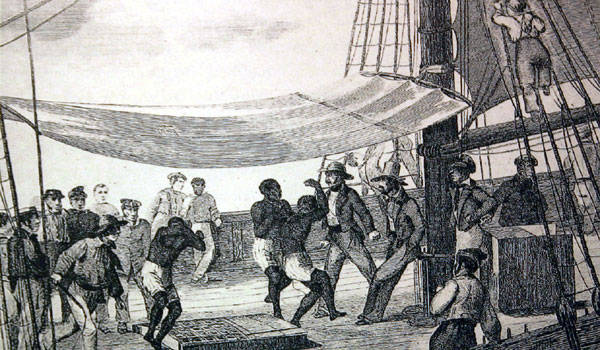
The date of the first arrival of enslaved Africans in Guyana is not known. However, it is believed the first group was brought by Dutch settlers who migrated from Tobago from as early as the mid-17th century. As plantations expanded on the coast of Guyana, more enslaved Africans were brought from West Africa in ships owned by the West India Company.
 

abolish slavery

Upon the arrival of slave ships at different ports in Berbice, Essequibo and Demerara, auctions were held and planters came from all over to find bargains. The enslaved Africans were exposed, naked and closely inspected by prospective buyers to determine if they were healthy. They were made to jump, swing their arms and legs and were examined like farm animals.

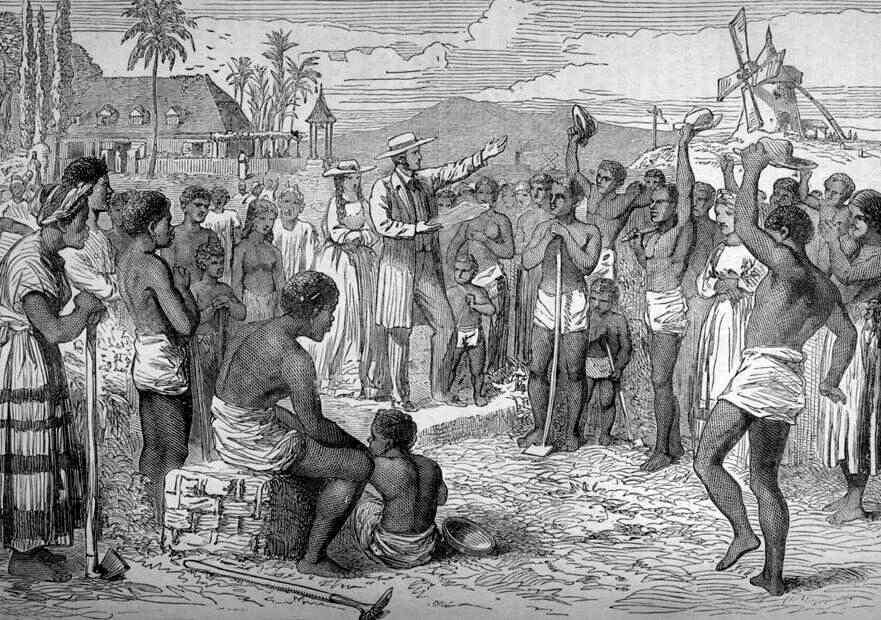
Entire families were auctioned, but buyers showed no concern for family bonds, making purchases that separated husbands and wives and children from their parents. Friends and relatives were also separated from each other in the process.

Independent journalism still matters.

We hope this story was worth your time. For over 14 years, Atlanta Black Star has stayed Black-owned and independently run. We didn't get here by waiting on ad budgets that were never built to prioritize us. Our readers did that.

Corporate support for Black media has always been thin. Outlets like ours get roughly 1% of the $170 billion spent on U.S. advertising each year, and that margin is shrinking further as advertisers walk back the DEI-linked commitments they made in 2020. That's the backdrop. It's not why we're asking.

The wider picture isn't any steadier. Newspaper ad revenue has fallen more than 80% since 2005, and local newsrooms are closing at a rate of roughly two a week nationwide. When outlets go under, it's rarely the ones built to center a Black perspective from the ground up that get to stick around.

We know a request for support isn't why you came here. But without readers choosing to fund this work directly, the depth of reporting we can do at home and abroad shrinks along with everyone else's. If you're not in a position to give, that doesn't change how much we value you as a reader.

If you are able to, a recurring contribution does more for us than a single one-time gift, because it lets us plan the next investigation instead of just the next invoice. It takes about 30 seconds, no long form, no account. Thank you for continuing to support independent journalism and freedom of the press.

Back to top