The ‘City of 333 Saints’
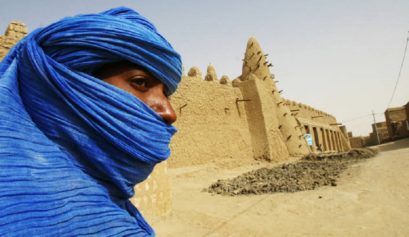
Timbuktu is also known as the “City of 333 Saints” because 333 saints were laid to rest in the city. These were celebrated Muslim scholars and teachers who were revered for their exceptional wisdom, scholarship and generosity. Many Muslim pilgrims traveled to Timbuktu to honor these religious icons.

Who Ruled?
Timbuktu was under the control of several different rulers throughout its 900-year history. It was annexed by the Mali Empire early in the 14th century. In the first half of the 15th century, the Tuaregs took control of the city for a short period until the expanding Songhai Empire absorbed the city in 1468.
A Moroccan army defeated the Songhai in 1591, and made Timbuktu, rather than Gao, the capital. The invaders established a new ruling class, the Arma, who after 1612 became virtually independent of Morocco.
Different tribes governed until the French took over in 1893, a situation that lasted until it became part of the current Republic of Mali in 1960.