10 Facts About The Arab Enslavement Of Black People Not Taught In Schools

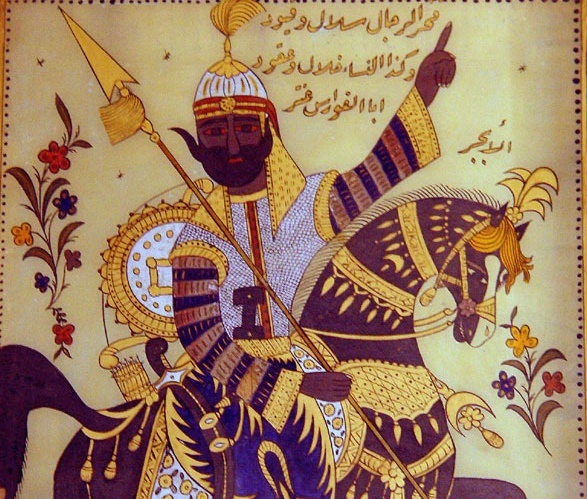
Antar ibn shaddadThe Arab Slave Trade Allowed More Upward Mobility Than the European Slave Trade

Upward mobility within the ranks of Arab slaves was not rare. Tariq ibn Ziyad — who conquered Spain and whom Gibraltar was named after — was a slave of the emir of Ifriqiya, Musa bin Nusayr, who gave him his freedom and appointed him a general in his army.

Son of an enslaved Ethiopian mother, Antarah ibn Shaddād, also known as Antar, was an Afro-Arabic man who was originally born into slavery. He eventually became a well-known poet and warrior. Extremely courageous in battle, historians have dubbed him the “father of knighthood … [and] chivalry” and “the king of heroes.”

This kind of upward mobility did not occur in the European slavery system.
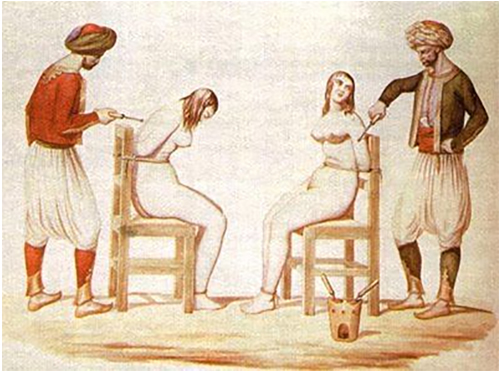
 

enslaved white women

Arab Slave Trade Not Limited To Africa or Skin Color

One of the biggest differences between the Arab slave trade and European slaving was that the Arabs drew slaves from all racial groups. During the eighth and ninth centuries of the Fatimid Caliphate, most of the slaves were Europeans (called Saqaliba), captured along European coasts and during wars.

Aside from those of African origins, people from a wide variety of regions were forced into Arab slavery, including Mediterranean people; Persians; people from the Caucasus mountain regions (such as Georgia, Armenia and Circassia) and parts of Central Asia and Scandinavia;  English, Dutch and Irish; and Berbers from North Africa.
Democracy needs journalism it can trust.

This election season, the stakes are higher than usual — and so is the pressure on newsrooms to soften their coverage, stay quiet, or just disappear. Independent reporting, the kind that answers to readers instead of advertisers or political pressure, matters more in a moment like this, not less.

For over 14 years, Atlanta Black Star has stayed independent and reader-funded. We have no corporate owner and no shareholders telling us what to cover or how to cover it. That independence is also our biggest vulnerability: nothing protects it except readers choosing to fund it directly.

Newspaper ad revenue has fallen more than 80% since 2005, and local newsrooms are closing at a rate of roughly two a week nationwide. When outlets go under in a moment like this, it's rarely the independent, reader-funded ones that get to stick around.

We know a request for support isn't why you came here. But without readers choosing to fund this work directly, the depth of reporting we can do at home and abroad shrinks along with everyone else's. If you're not in a position to give, that doesn't change how much we value you as a reader.

If you are able to, a recurring contribution does more for us than a single one-time gift, because it lets us plan the next investigation instead of just the next invoice. It takes about 30 seconds, no long form, no account. Thank you for continuing to support independent journalism and freedom of the press.

Back to top