Arab Slave Trade Ushered in The European Slave Trade
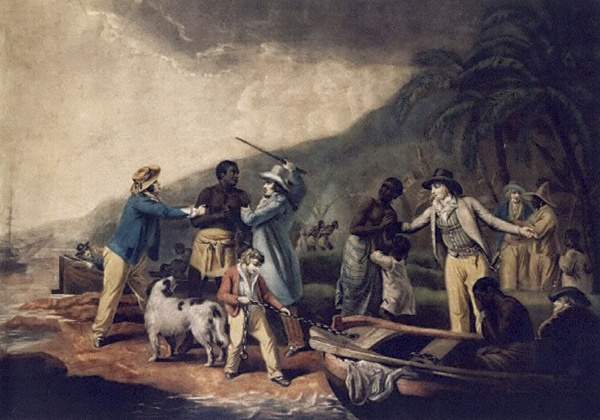
The Arab slave trade in the 19th century was economically tied to the European trade of Africans. New opportunities of exploitation were provided by the transatlantic slave trade and this sent Arab slavers into overdrive.
The Portuguese (on the Swahili coast) profited directly and were responsible for a boom in the Arab trade. Meanwhile on the West African coast, the Portuguese found Muslim merchants entrenched along the African coast as far as the Bight of Benin. These European enslavers found they could make considerable amounts of gold transporting enslaved Africans from one trading post to another, along the Atlantic coast.
 The Arab Slave Trade Sparked One of The Largest Slave Rebellions in History
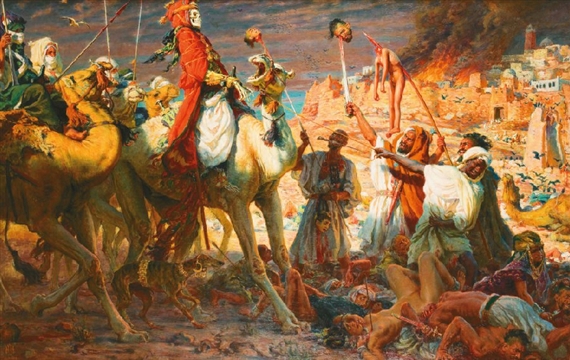
The Zanj Rebellion took place near the city of Basra, located in present-day southern Iraq, over a period of fifteen years (A.D. 869–883). The insurrection is believed to have involved enslaved Africans (Zanj) who had originally been captured from the African Great Lakes region and areas further south in East Africa.
Basran landowners had brought several thousand East African Zanj people into southern Iraq to drain the salt marshes in the east. The landowners forced the Zanj, who generally spoke no Arabic, into heavy slave labor and provided them with only minimal subsistence. The harsh treatment sparked an uprising that grew to involve over 500,000 enslaved and free men who were imported from across the Muslim empire.