In poorly developed nations, leaders may look to foreign aid to stimulate their economies, grow jobs and provide for the citizens of their countries. However more times than not, that aid is tied to stringent, sometimes damaging stipulations that, over time, do more harm than good.
Money is often loaned from the International Monetary Fund and the World Bank, as private banks are usually not an option. These organizations’ stated goals are to “foster global growth and economic stability,” but instead they result in the opposite, leaving countries poorer than they were before they became indebted to the institutions.
The IMF and its counterparts know that by crippling national economies, mainly those with populations dominated by people of color, the countries remain in debt and will eventually stimulate the economies of Western nations to the detriment of their own.
As a result, the Economic Structural Adjustment Programmes (ESAP) commonly implemented by the IMF and World Bank, are rumored to be dubbed the Ever Suffering African People programs, as those are the usual results of such measures. Here are five of the countries that suffer the reign of terror known as a ‘rescue loan’ from the IMF and World Bank.
Ghana
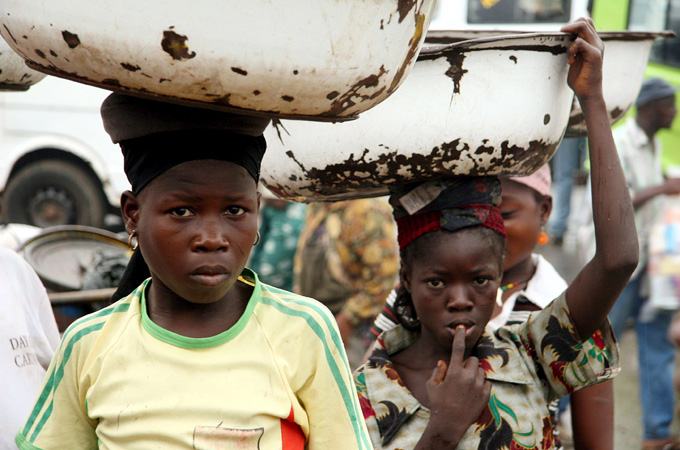
In securing a loan from the IMF in 2009, northern Ghanaians were forced to end their prosperous rice farming and begin purchasing rice abroad. This was because a stipulation tied to the World Bank and IMF loans stated that all future funds would cease, should the Ghanaian government continue to provide rice farmers with subsidies that helped them grow at a profitable level.
Because of this stipulation, rather than boost the economy and feed its citizens, Ghana is forced to purchase rice, a natural resource that they once grew themselves, from countries such as the United States. This has led to increased poverty within northern Ghana, as well as a crippled economy with little chance of becoming self-sufficient.