5 Reasons Young Black Men Resort To Violence

policebrutality_clip_image002

Slavery & Racial Oppression

The treatment of enslaved Black people was generally characterized by degradation, dehumanization, and fatal brutalities. The violent tactics of whippings, rapes and executions was a normal way of life for them.

Men were stripped of any form of pride and self respect by being humiliated in front of his family. Women were often taken from their husbands and raped at their owner’s discretion which further diminished the black man’s sense of self worth as well as the woman’s self esteem (Dubois, The Souls Of Black Folk, 1903).

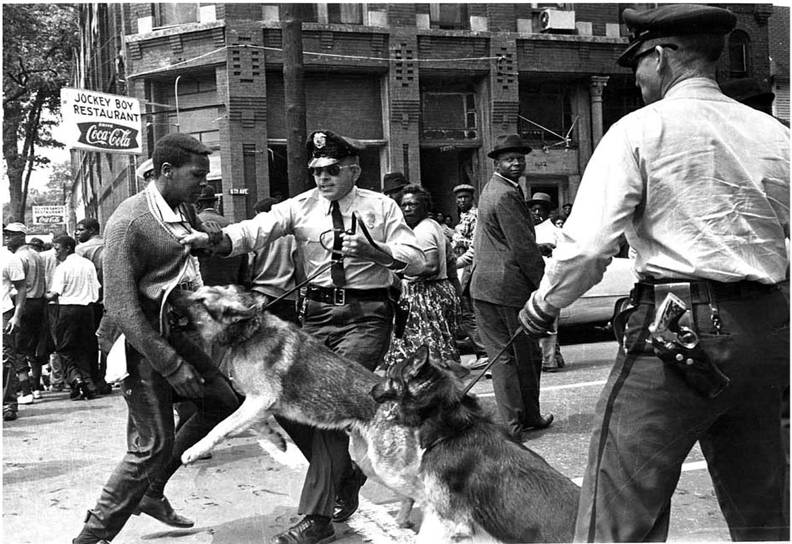
The brutal treatment of Black people continued well after slavery legally ended, through the days of Jim Crow, Civil Rights, and, to a certain extent today. The trauma caused by this psychological brutality resulted in severe damaged to the mind of the victims, which manifested as an identity crisis, self hate,  low self worth, and  a distrust of the world at large. This mentality has been passed down through generations.

Today, conditions such as low socioeconomic status, social deprivation, inadequate education, high unemployment, and the criminal industrial complex has reinforced this negative mentality, which has and  still affects behavior in the Black community today, including young black boys.

Independent journalism still matters.

We hope this story was worth your time. For over 14 years, Atlanta Black Star has stayed Black-owned and independently run. We didn't get here by waiting on ad budgets that were never built to prioritize us. Our readers did that.

Corporate support for Black media has always been thin. Outlets like ours get roughly 1% of the $170 billion spent on U.S. advertising each year, and that margin is shrinking further as advertisers walk back the DEI-linked commitments they made in 2020. That's the backdrop. It's not why we're asking.

The wider picture isn't any steadier. Newspaper ad revenue has fallen more than 80% since 2005, and local newsrooms are closing at a rate of roughly two a week nationwide. When outlets go under, it's rarely the ones built to center a Black perspective from the ground up that get to stick around.

We know a request for support isn't why you came here. But without readers choosing to fund this work directly, the depth of reporting we can do at home and abroad shrinks along with everyone else's. If you're not in a position to give, that doesn't change how much we value you as a reader.

If you are able to, a recurring contribution does more for us than a single one-time gift, because it lets us plan the next investigation instead of just the next invoice. It takes about 30 seconds, no long form, no account. Thank you for continuing to support independent journalism and freedom of the press.

Back to top