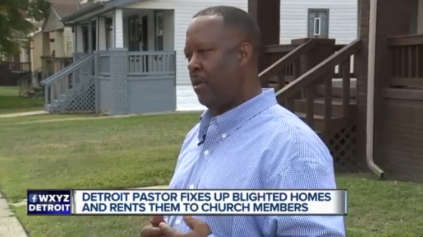
Eight years ago, Rick Ector had just pulled into his driveway in Detroit after work when two men approached him. They asked for money and pulled out a gun. He handed over his cash, and they left. Though he reported the incident, to his knowledge, the two men haven’t been caught.
“If I survive this incident, I will no longer depend on the police, who have a legal obligation to protect me,” Ector recalls thinking. “I had to do what I needed to do to protect myself.”
Ector had never before owned a gun. After the incident, he not only legally armed himself; he became a certified firearms instructor and a National Rifle Training counselor; he now runs the Rick’s Firearm Academy in Detroit.
Unlike most members of the National Rifle Association, Ector is black. Since guns are the leading cause of death among African-Americans 14-18 years of age, black people tend to favor gun control.
But Ector and other African-Americans who share his views on firearms see gun rights as a civil rights issue and tighter regulations as a way to keep power out of the hands of minorities.
“Gun control has racist roots and when you deny people the opportunity to own a gun and to protect themselves, that is the epitome of racism,” he said.
His thinking, he says, is shaped by America’s segregated past. As far back as the 1860s, gun control has been used to keep arms out of the hands of black people. After the Civil War, a group of discriminatory laws known as the Black Codes limited the civil liberties—like the right to bear arms—of newly freed slaves.
Ector says he believes that even today, gun control is doing just that.
“If you live in a community that has a lot of gun control, there’s going to be a lot of crime,” he says. “People in New York can get guns, but here’s the thing, you can only carry one if local authority like the sheriff or police chief say it’s okay.”
Read the rest of this article here.