U.S. officials came down hard on perceived threats to Donald Trump’s life after three Black University of South Alabama students posted comments on social media.
Trump planned to visit Mobile for a rally at the university on Oct. 2. Ahead of the visit, FBI agents combed social media and flagged comments made by three unrelated people.
As a result, authorities arrested students Amare Jemal Woods, Cameron Lamark Lewis, and Kayla Leaann Smith that day and charged them with threatening the president.
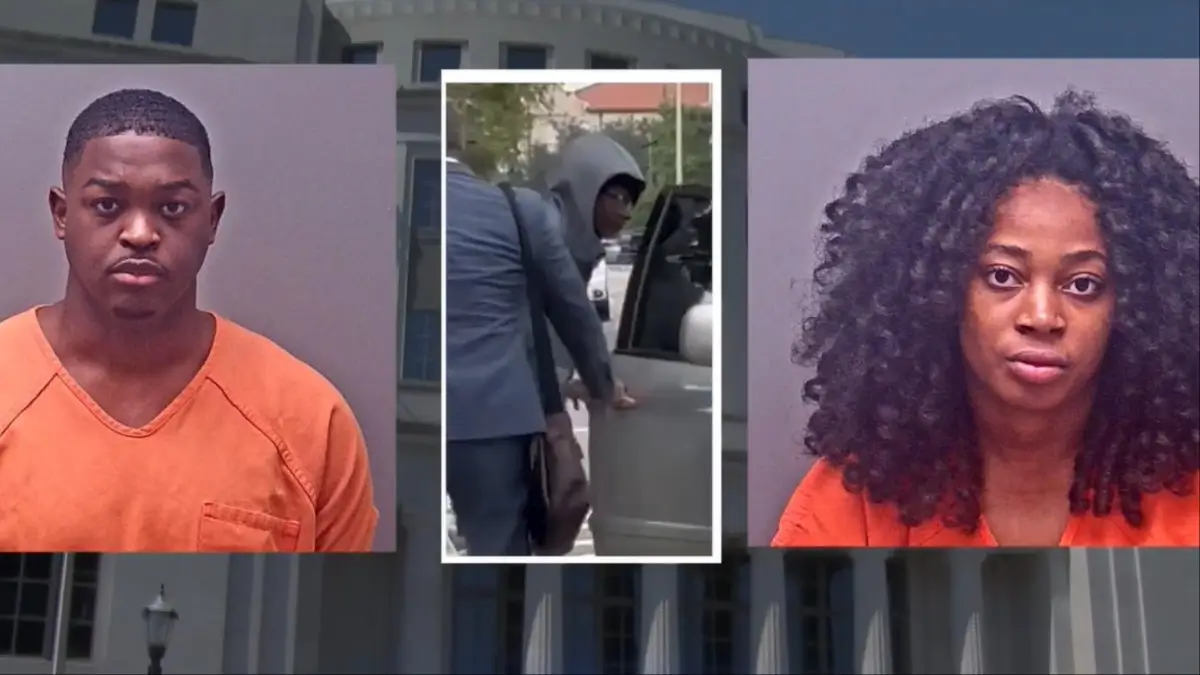
Federal prosecutors released them from custody on Oct. 5 and plan to present their cases to a grand jury within the next 30 days. If convicted, each could face up to five years in federal prison and fines of up to $250,000.
The First Amendment protects extremely harsh criticism of the president, including offensive or deeply insulting language, but it does not protect “true threats” of unlawful violence or harm.
The grand jury will decide whether there’s enough evidence to indict. Ultimately, a court will determine whether the posts crossed that line.
Affidavits filed by federal agents detailed the allegations.
In a comment on a TikTok post about the rally, Woods, an 18-year-old freshman studying aerospace engineering, allegedly wrote: “he gotta die, bro,” with a crying emoji.
Lewis, a biology student, allegedly posted two messages on X that investigators deemed threatening.
In one, he allegedly alluded to the assassination of Charlie Kirk, writing that people would “remember the University of South Alabama the way they remember Utah Valley University.”
The other post mentioned “Q50,” which an investigator believed referred to a September shooting that killed rapper Mikquale Cooper.
The third student, Smith, who is studying elementary education, allegedly replied to a TikTok post with an image of someone pretending to hold a firearm and the words, “We only got one chance; let’s take it.”
At three separate preliminary and detention hearings, presiding Judge Katherine Nelson determined the individuals did not pose a danger or flight risk and released them with conditions, including not speaking to each other and avoiding social media.
Jason Darley, an attorney representing Woods, has pushed back on the criminal charges. He called it a case of poor judgment by his client, not a real threat to the president’s life, and said the timing of Trump’s visit to the campus played a role.
“It was more of a comment type thing,” he said, according to news site AL.com. “You can criticize the president’s weight and the fact that he’s orange, and his policies on economic factors and the war in Iran, but you can’t make the threat.”
Darley noted that the law does not require prosecutors to show that a person had the means to carry out a threat. “Unfortunately, these young kids- he’s 18 years old; he just turned 18 in June- they get wrapped up in all this social media stuff, and the next thing he knows, the FBI is literally calling.”
In a statement, the University of South Alabama condemned threats against elected officials and said it welcomes open dialogue and civic participation. “However, there is a clear line between exercising free expression and engaging in intimidation or unlawful conduct,” the university said.


