A 911 call reporting a horrible smell led authorities to the discovery of Sekiya “Keya” Jones’ body on Sept. 3.
She was stuffed in a suitcase that had been wrapped with a bungee cord and tossed in a wooded area in the Long Island town of Huntington. Inside the suitcase, she was found curled up in a fetal position and bound with black cords.
A suspect who lives at a nearby apartment building is now in custody, and the family is demanding justice for the “sweetest” woman nicknamed “Cheese” because of her constant smile.
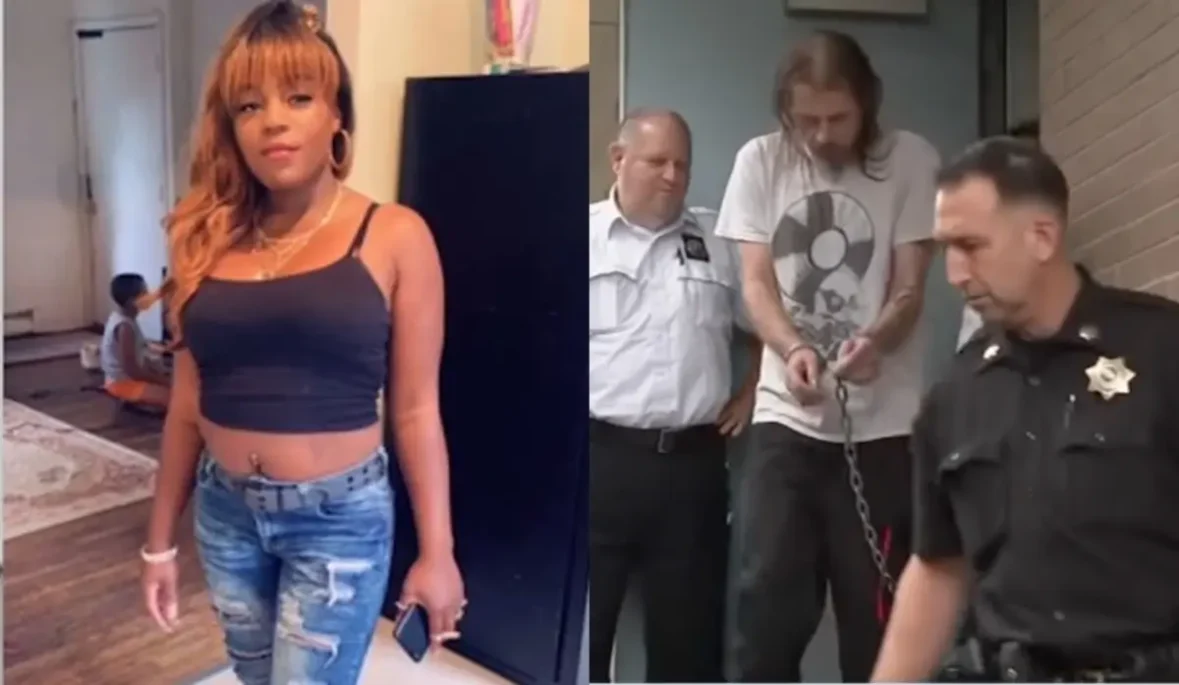
On Sept. 9, police arrested Ronald Schroeder at Penn Station in Manhattan on an outstanding warrant for previous drug charges dating back to May, including intent to sell methamphetamine, reported Huntington Now.
He has now been accused of concealing Jones’ corpse, with more charges possible, pending an investigation. When he was detained, police say he was carrying the date rape drug GHB.
Jones’ frantic mother, Yolanda Terrell, reported the 31-year-old missing on Aug. 16 and was at her wit’s end searching for weeks for her daughter, who had a history of mental health issues. Terrell didn’t learn about her tragic death until she saw a news update on the mysterious “suitcase murder” that had rocked the Long Island community.
“I’m looking, and I’m looking, and I can’t find her, and I come back from vacation, and I see on the news that my daughter is in a (expletive) suitcase,” she told ABC7.
Schroeder allegedly provided a “detailed admission” to detectives after being informed his apartment on Nassau Road had a “strong odor of human remains,” Prosecutors told local news outlet Newsday.
Surveillance video captured Jones in the hallways of his apartment building, and one neighbor reportedly said she heard a woman screaming around 3 a.m. on Sept. 1, though the neighbor’s account has not been substantiated.
Jones had struggled with mental health and drug addiction for more than a decade, according to a GoFundMe set up by her family, who emphasized her “humble and loving” nature.
“She tried her best with the little strength she did have, but it just wasn’t enough,” it read.
“We could not help her get a hold of her mental illness, and with this being said, that does not give anybody the right to put their hands on my sister and put her in a suitcase and stuff her inside the bushes like she was nothing,” her sister Shasia Correnthi told ABC7.
Emotions ran high as family and friends gathered for a candlelight vigil on Sept. 5 to remember Jones, who left behind a 4-year-old son.
“She was the life of the party, always smiling,” her grieving mother told the crowd who gathered near where her body was found. “My daughter is going to get justice,” she continued via Fox 5. “She did not need to be thrown in this f—king ditch over here, the way that she was thrown in that suitcase. Nobody deserves that.”
Schroeder did not appear in court for the charge of hiding Jones’ body because of a “highly contagious airborne” illness. He is due back in court on Sept. 12 and is being held without bail.


