Nearly two weeks after Henrietta Lacks’ descendants reached a settlement in a lawsuit against a biotech company, accusing it of profiting unjustly from her cells for generations, the family’s legal team has now initiated a fresh claim against a different corporation.
This new legal action has been directed at Ultragenyx, a biopharmaceutical company based in California. The lawsuit was officially filed on Thursday, Aug. 10, in a federal court in Baltimore, the same venue where the previous case was resolved.
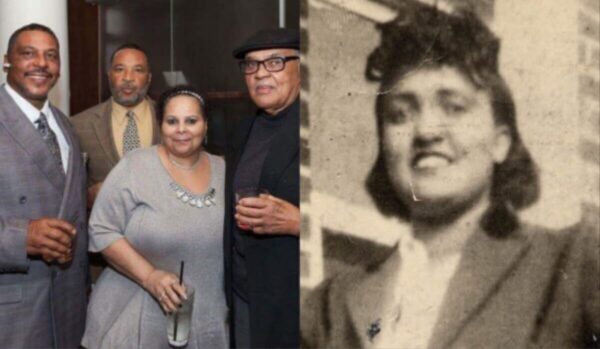
It is part of a series of lawsuits that the legal team vowed to file to seek compensation for the exploitation of the Black mother’s biological cells. A confidential settlement was announced on July 31 between the Lacks family and Thermo Fisher Scientific, resolving a lawsuit initially filed in 2021.
“Henrietta Lacks’ enduring legacy should be one of recognition, respect, and reparations, not further exploitation by corporations like Ultragenyx,” Attorney Chris Seeger said in a statement. “Their actions serve as a somber reminder of America’s history of medical racism and the pressing necessity to correct these past injustices. Our lawsuit aims to empower the Lacks family to reclaim their ancestor’s narrative, and secure the justice and compensation they rightfully deserve.”
Lacks lived near Baltimore when she was diagnosed with cervical cancer in 1951. She died hospital’s racially segregated “colored ward” at 31. During a biopsy, doctors at Johns Hopkins Hospital retained a sample of her cancer cells without her knowledge or consent. Her genetic material became the first human cells to continuously grow and replicate in laboratory settings.
The HeLa cells have been used for numerous scientific and medical breakthroughs, including the polio vaccine development, genetic mapping, and the most recent COVID-19 vaccinations.
The legal complaint alleges that Ultragenyx has amassed significant profits by using HeLa cells to create gene therapy products.
It claims that Ultragenyx Pharmaceutical knowingly chose to exploit and mass-produce Lacks’ living tissue and seeks intellectual property rights for these products, effectively laying claim to Lacks’ genetic material for its financial gain despite being aware that her tissue was taken without consent by doctors at Johns Hopkins Hospital.
The lawsuit accuses Ultragenyx of selling products developed using the HeLa cell line to buyers across the nation through Adeno-associated virus (AAV) vectors, “the primary platform for delivering genes used in treating a range of human diseases,” according to the descendants’ legal team.
“Ultragenyx’s decision to persist in using HeLa cells, despite their origin and the tangible harm inflicted upon the Lacks family, can only be interpreted as an endorsement of the enduring legacy of racial injustice embedded within the U.S. research and medical systems,” attorney Benjamin Crump said in a statement. “Similar to their exploitation of Henrietta Lacks’ immortal cell line, they also exploit vulnerable individuals with rare illnesses by exorbitantly pricing essential treatments.”


