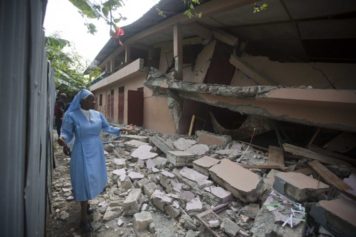
After the 2010 earthquake that devastated the nation’s capital and the surrounding area, Haiti gained the attention of foreign countries and companies looking to aid in the recovery effort. Though some attempts at collaborating with foreign aid have been difficult, outdoor apparel company Timberland has shown its commitment to the cause, having helped to plant 2.2 million trees in Haiti since the disaster. The company has partnered with a Haitian nongovernmental organization, the Smallholders Farmers Alliance, to create an agroforestry program, pledging to plant five million trees by 2015.
“When this program began, our vision was to create a model that could be self-financing within a reasonable amount of time and would generate positive social, environmental and economic impact,” Margaret Morey-Reuner, Timberland’s senior manager of values marketing told Forbes. “The great results so far are a testament to the camaraderie, hard work and independence of these farmers, as well as to this private sector, NGO and community stakeholder collaboration.”
Another goal of the program is to help native Haitian farmers improve their crop yields, and create their own self-sustaining businesses. SFA helped 2,000 farmers to organize themselves into a for-profit business, and with aid from the organization and Timberland, their agroforestry cooperative became self-financing in three years.
Farmers are asked to plant trees and oversee nurseries in exchange for agricultural products and services for their personal crops. The program uses sales from the trees to further fund the agricultural services.
Perhaps the greatest success of the program has been its ability to operate without interference or aid from the government. Corruption within the Haitian government and the mismanagement of foreign relief funding by third parties within the country led to the premature demise of many projects meant to provide relief.
Under their program, Timberland, SFA, and the Haitian farmers involved have proved that long term, sustainable relief projects are wholly possible without an excess of administration or diplomacy.