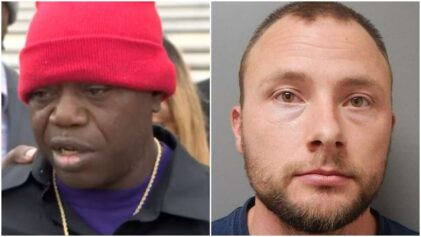
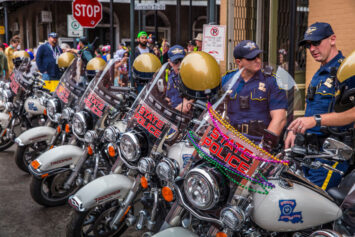
A former Louisiana state trooper was indicted by a federal grand jury in Shreveport on Thursday, Sept. 23, for using excessive force against a Black man during a 2019 arrest.
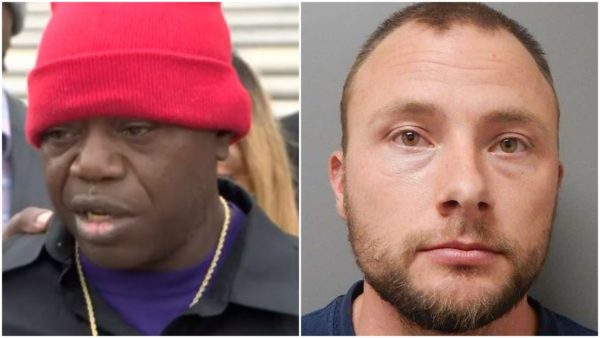
Jacob Brown, 31, was indicted on a single count of deprivation of rights under color of law, according to a release from the Department of Justice. If convicted, Brown faces a maximum sentence of 10 years in prison, three years of supervised release and a $250,000 fine.
Federal investigations into deadly and violent incidents involving Louisiana State Police and arrestees remain open and ongoing.
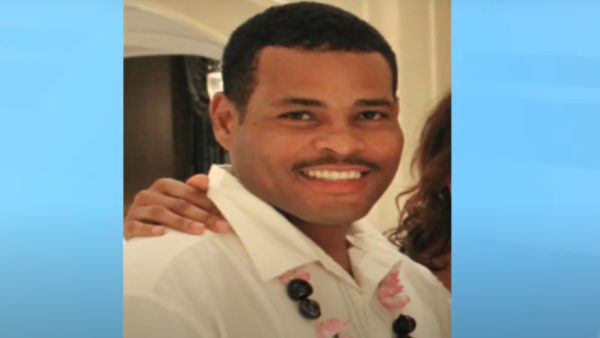
In May 2019, Andrew Bowman, 46, was pursued by officers following an alleged traffic violation. Bowman continued driving to his home and parked before officers approached and physically removed him from the vehicle.
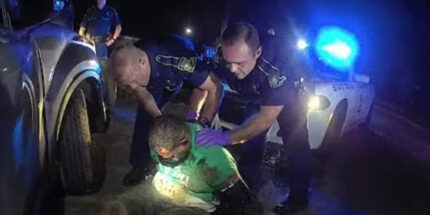
By the time Brown arrived on the scene, Bowman was already on the ground. Video and police records show he struck Bowman with a flashlight 18 times in 24 seconds.
Brown later justified his actions as “pain compliance.” No weapons or drugs were found in the vehicle. Bowman still faces a list of charges, including battery of a police officer and resisting an officer.
He has filed a federal lawsuit against the state police and other law enforcement involved in the arrest, alleging “unreasonable, unnecessary,” and negligent behavior from the officers involved, and claims they could have used “verbal judo” and other tactics to de-escalate the situation.
Louisiana State Police said detectives learned that Brown failed to report the use of force to his supervisors and mislabeled the footage of the incident. Brown resigned in March 2021.
Bowman’s violent arrest happened 21 days after Louisiana troopers from the same unit as Brown engaged in a deadly encounter with 49-year-old Ronald Greene.
Troopers attempted to pull Greene over near the University of Louisiana Monroe on May 10, 2019. The man didn’t stop and a chase ensued that lasted at least 20 miles. Greene eventually veered off road and crashed his SUV into a ditch before striking a shrub tree.
According to his family’s lawsuit, Greene was beaten, shocked multiple times with a stun gun and “brutalized” during a violent encounter with troopers after the crash. He died from cardiac arrest on the way to the hospital, and his death was ruled accidental by the coroner’s office.
Police initially said Greene died due to injuries sustained in the car crash, but footage published by The Associated Press in May shows he was beaten, tased and dragged by officers before he died.
Brown has also been charged in the beating of 29-year-old Antonio Harris, who was arested following a high-speed chase in May 2020.
Since 2015, all but four of Brown’s 23 use-of-force incidents targeted Black people. Federal prosecutors are reviewing both Bowman’s and Greene’s cases as they investigate the Louisiana State Police over allegations of police brutality and cover-ups.