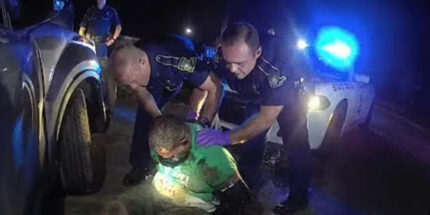
A Louisiana State Trooper who was captured via body camera kicking and dragging a Black man who later died in police custody has been suspended without pay.
Master Trooper Kory York dragged Ronald Greene “on his stomach by the leg shackles” before he died, internal State Police records obtained by the Associated Press show.
Greene’s family viewed footage of the May 2019 arrest last year and compared his death to the killing of George Floyd. The case remains the subject of a federal civil rights investigation.
Mark Maguire, a Philadelphia civil rights attorney who represents Greene’s family, said York’s 50-hour suspension is “a start” but that the family continues to seek accountability.
“It is now undisputed that Trooper York participated in the brutal assault that took Ronald Greene’s life,” Maguire said. “This suspension is a start but it does not come close to the full transparency and accountability the family continues to seek.”
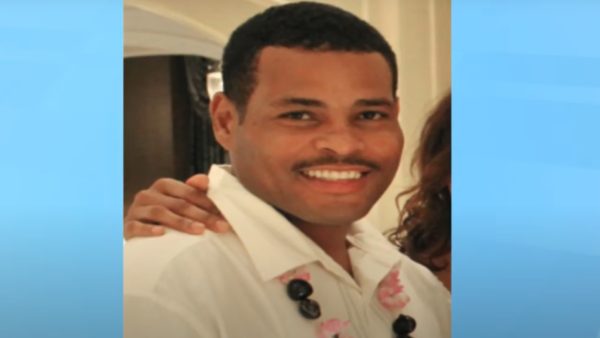
The records are the first public acknowledgement by State Police that Greene was abused during the 2019 arrest that preceded his death. Police initially blamed Greene’s death on injuries he sustained in a car crash.
On the day of Greene’s death on May 10, 2019, York and another trooper, Chris Hollingsworth, attempted to pull the 49-year-old over after a traffic violation near the University of Louisiana at Monroe. Greene did not stop, and the chase that followed lasted between 20 and 25 miles.
Greene allegedly drove off the road and into a ditch before striking a mailbox. The SUV later “struck a shrub/tree next to a private drive,” according to the police report.
When EMS arrived, Green was unresponsive. He died on the way to the hospital.
Officials initially made no mention of use of force by the officers involved but later admitted that there had been a “struggle.”
Hollingsworth was fired for his role in the incident, and he died last September in a single-car crash shortly after learning of his termination.
In a 27-second audio clip published by The Associated Press last year, Hollingsworth is heard telling his colleague, “I beat the ever-living f— out of” Greene before “all of a sudden he just went limp.”
York, who turned his body camera off on his way to the scene, later told investigators he did so because it was beeping and his “mind was on other things.”
It’s unclear whether Dakota DeMoss, the trooper who originally pursued Greene, has been disciplined in connection with the case.
Col. Lamar Davis, who recently took over as superintendent of the State Police, wrote a letter to York informing him that he “would have imposed more severe discipline” on the trooper had the suspension not been decided by his predecessor Kevin Reeves.