A man who spent 20 years behind bars after being wrongfully convicted in his lover’s murder is taking the Southern California sheriff’s investigators to court, accusing officials of fabricating a case against him.
Horace Roberts walked free last year after DNA testing led to the arrests of two other men in the strangulation of his then-girlfriend Terry Cheek in 1998. Now, Roberts is suing Riverside County and deputies in its sheriff’s office for allegedly withholding key evidence from prosecutors.

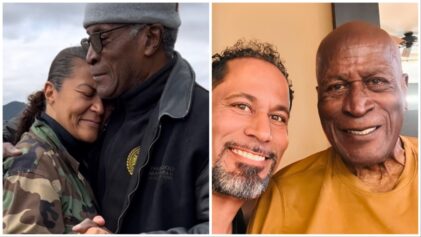
Horace Roberts, 61, was exonerated last year after DNA testing of crime scene evidence cleared him in his lover’s murder. (Photo: California Innocence Project / YouTube video screenshot)
“I hope this lawsuit will bring to light the injustice that I suffered and cause officials, and lawmakers to look carefully at reforming our criminal justice system,” the exoneree said in a statement, according to The Associated Press.
Roberts’ complaint claims there was zero evidence linking him to the crime scene, and authorities knew that. It alleges that the real murderers, Googie Harris and his nephew, Joaquin Leal III, set up Roberts, 61, to take the fall for Cheek’s killing.
Harris was the victim’s estranged husband.
After two trials ended in hung juries, the California man was found guilty of second-degree murder and sentenced to 15 years to life in prison in July 1999.
Steve Art, one of the lawyers representing Roberts, argues that investigators fabricated police reports and suppressed evidence, including a piece of rope discovered with Cheek’s body on the lakeshore. A watch was also recoverd at the scene.
“She was strangled with a rope,” Art told the outlet. “That same rope was the rope used by her husband on a dog run at his property. That fact was known by police.”
The lawyer said detectives also failed to take seriously claims from Cheek’s good friend Janet Corsi, who told police that Harris was abusive and had threatened his estranged wife shortly before her murder.
It wasn’t until March 2018 that a push from the California Innocence Project had DNA from the watch found with Cheek’s body tested; it came back as a positive match to Leal, AP reported. He and Harris became the subject of a second investigation and were finally arrested in October 2018.
Both men are behind bars awaiting trial.
As for Roberts, he’s seeking a jury trial and an unspecified amount in compensatory damages in the case.
Watch more in the video below.
https://www.youtube.com/watch?v=i8TweRGuxS8