Boston
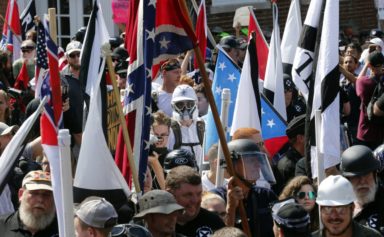
BOSTON (AP) — Boston has granted permission for an event that organizers are calling a free speech rally, but that some people fear is actually a white nationalist rally similar to the one that erupted in violence in Virginia last weekend.
The permit for Saturday’s event on Boston Common comes with severe restrictions, including a ban on backpacks, sticks and anything that could be used as a weapon.
Barriers will separate participants from a planned counter-protest that its organizers are calling a “racial justice solidarity march.”
“We don’t want a repeat of what happened in Charlottesville,” Boston Police Commissioner William Evans said. “Boston is too united. We have a city that doesn’t tolerate hatred and bigotry, and we wanted to make it clear to both groups.”
A woman was killed Saturday in Charlottesville when a car plowed into counter-protesters at a “Unite the Right” rally attended by neo-Nazis and other white supremacist groups.
Boston Mayor Marty Walsh said the city will do what is necessary to head off violence initiated by either side.
“We are going to have a zero-tolerance policy,” the Democratic mayor said. “If anyone gets out of control — at all — it will be shut down.”
He said in a separate interview that he does not expect violence.
The permit granted Wednesday is for 100 people and a two-hour rally from noon until 2 p.m., with a two-hour setup and an hourlong breakdown time.
John Medlar of the Boston Free Speech Coalition thinks as many as 1,000 people could show up.
“There’s a lot of variables we simply can’t account for — will the extra controversy drive people away or make it even more popular?” he said.
The group said on Facebook that it is not affiliated with the Charlottesville rally organizers in any way.
“We are not associated with any alt-right or white supremacist groups. We are strictly about free speech,” the group said.