8 Black Female Movie Directors Leading the Way for More Black Women in Hollywood

Black female directors in Hollywood

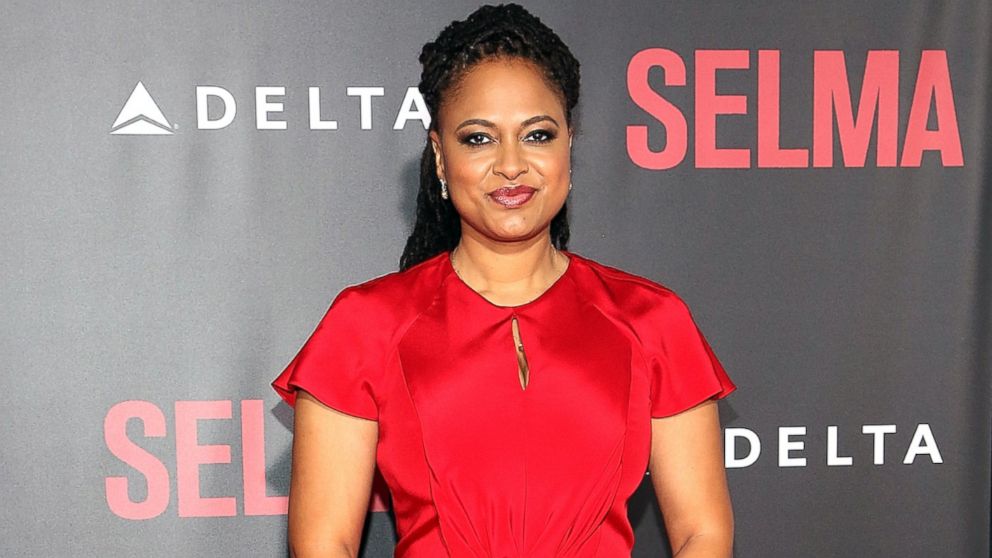
Ava DuVernay

Film critics and moviegoers alike were expecting DuVernay to make award season history at the Oscars and the Golden Globes, but nobody needed to see her take home the awards to validate her as an amazing director. In addition to her movie Selma being nominated for Best Picture by the Academy Awards, she received incredible amounts of praise from Black leaders for how she was able to bring the Civil Rights Movement to life on film. DuVernay was also the first Black woman to be nominated for a Best Director award by the Golden Globes, Forbes reported.
Black female directors

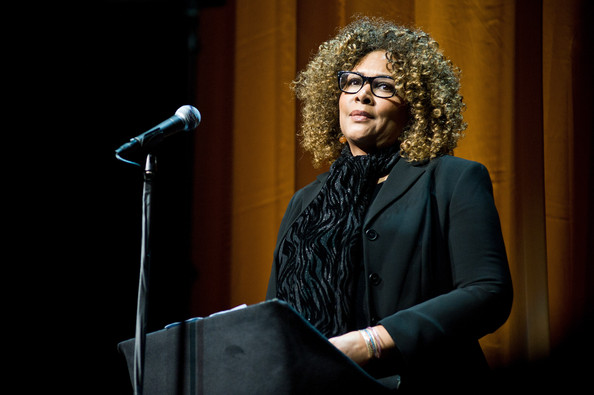
Julie Dash

Dash has already made her mark in directorial history and will always be a name that any film student should remember. As her official biography points out, her 1991 debut film Daughters of the Dust broke down barriers for women of color in Hollywood and became the first film by a Black woman to ever receive general theatrical release. The film captured Gullah culture off the coast of South Carolina and Georgia and took an unusual approach to narration. Rather than have the story narrated by a living character that was present on screen, the film was instead narrated by the Unborn Child, according to a synopsis of the film released by the Karlovy Vary International Film Festival. Since first making her mark in history, she has directed multiple projects, including the Emmy-nominated The Rosa Parks Story.

Democracy needs journalism it can trust.

This election season, the stakes are higher than usual — and so is the pressure on newsrooms to soften their coverage, stay quiet, or just disappear. Independent reporting, the kind that answers to readers instead of advertisers or political pressure, matters more in a moment like this, not less.

For over 14 years, Atlanta Black Star has stayed independent and reader-funded. We have no corporate owner and no shareholders telling us what to cover or how to cover it. That independence is also our biggest vulnerability: nothing protects it except readers choosing to fund it directly.

Newspaper ad revenue has fallen more than 80% since 2005, and local newsrooms are closing at a rate of roughly two a week nationwide. When outlets go under in a moment like this, it's rarely the independent, reader-funded ones that get to stick around.

We know a request for support isn't why you came here. But without readers choosing to fund this work directly, the depth of reporting we can do at home and abroad shrinks along with everyone else's. If you're not in a position to give, that doesn't change how much we value you as a reader.

If you are able to, a recurring contribution does more for us than a single one-time gift, because it lets us plan the next investigation instead of just the next invoice. It takes about 30 seconds, no long form, no account. Thank you for continuing to support independent journalism and freedom of the press.

Back to top