6 Reasons Black Boys Without Disability Wind Up In Special Education

Researchers have found that the ninth-grade year is crucial for Black boys, shaping their future odds of graduating from high school. Of the 4.1 million ninth-graders in the U.S., about 258,000 of them are Black males. Among them, about 23,000 are receiving special education services; more than 37,000 are enrolled in honors classes; and for nearly 46,000, a health care professional or school official has told them that they have at least one disability. If they follow the current pattern, about half of them will not graduate with their current ninth-grade class, and about 20 percent will reach the age of 25 without obtaining a high school diploma or GED.
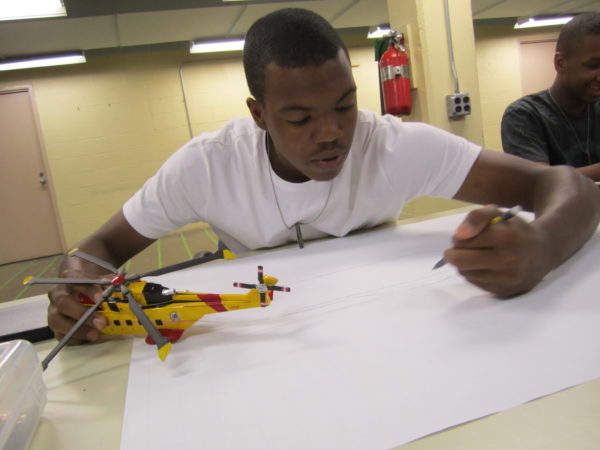
black boy working

It’s Their Behavior, Not a Disability

Many Black boys who end up in special education do not have a disability. Rather, they have circumstances that spur behavior patterns that are not compatible with the school environment, according to researcher Ivory Toldson. This behavior usually can be corrected by changing something about their surroundings. Researchers divide students into five categories: a true negative — children who do not have a disability and have never been diagnosed; a true positive — children who have a disability and have been accurately diagnosed; a false negative — children who have a disability but have never been diagnosed; a false positive — children who do not have a disability but have been diagnosed with one; or have a specific disability and are diagnosed with the wrong one.

Still independent.

We hope this story was worth your time. For over 14 years, Atlanta Black Star has stayed Black-owned and independently run. We didn't get here by waiting on ad budgets that were never built to prioritize us. Our readers did that.

Corporate support for Black media has always been thin. Outlets like ours get roughly 1% of the $170 billion spent on U.S. advertising each year, and that margin is shrinking further as advertisers walk back the DEI-linked commitments they made in 2020. That's the backdrop. It's not why we're asking.

The wider picture isn't any steadier. Newspaper ad revenue has fallen more than 80% since 2005, and local newsrooms are closing at a rate of roughly two a week nationwide. When outlets go under, it's rarely the ones built to center a Black perspective from the ground up that get to stick around.

We know a request for support isn't why you came here. But without readers choosing to fund this work directly, the depth of reporting we can do at home and abroad shrinks along with everyone else's. If you're not in a position to give, that doesn't change how much we value you as a reader.

If you are able to, a recurring contribution does more for us than a single one-time gift, because it lets us plan the next investigation instead of just the next invoice. It takes about 30 seconds, no long form, no account. Thank you for continuing to support independent journalism and freedom of the press.

Back to top