 In San Francisco, educators have come up with a novel approach: Hiring more Black teachers for Black students. Sarcasm aside, this brainstorm by the San Francisco Unified School District aims to close the academic achievement gap through an elevation of self-esteem.
Swen Ervin, a SFUSD human capital specialist who is recruiting more African-American teachers, hosted a Black teacher recruitment event that was deemed a success and a nice start toward balancing out the teacher pool in the city’s schools.
There were 45 attendees at the event, Ervin told The Huffington Post. Prospects met with district educators, participated in informational interviews and submitted their resumes.
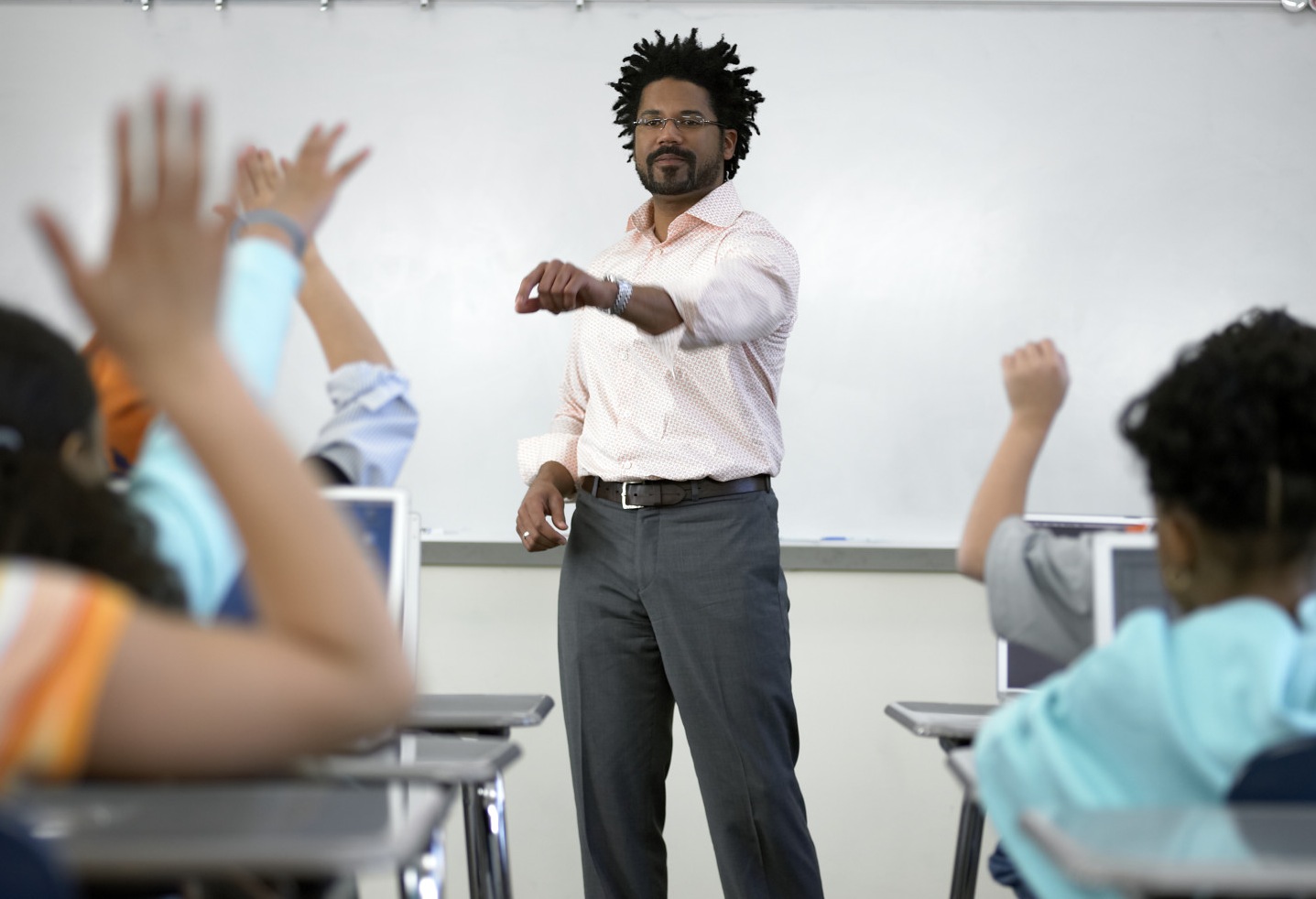
“The research shows that students of color do better on standardized tests and have a stronger sense of self-efficacy when they have adults in their schools who look like them,” Ervin said. “And I think teachers, more than anyone, provide an image of success for students.”
Data from the 2013-2014 school year indicates that SFUSD’s Black students are among the lowest performers on standardized tests and have one of the highest dropout rates. They make up 8 percent of SFUSD, but only 5.5 percent of the district’s teachers are Black, local public media outlet KQED reported.
Black teachers are important in today’s world not only to serve as a positive example for Black youths to see, but also because of the social and racial concerns that have encompassed the nation.
“Students right now are growing up in a particularly unique time in that they are exposed to so much more outside of what is taught to them at home and in school,” Wang Hen, a Black SFUSD alumnus who is studying for his master’s at UCLA, said to HuffPost. “With our 24-hour media cycle and the Internet, students these days may hear about things like Ferguson, #BlackLivesMatter and other racially charged events independently and need someone well-informed who they trust to help them make sense of and reconcile these events.”
The recruitment initiative is not the only effort SFUSC is making to establish a stronger connection with Black students. Last month, the district hired its first special assistant for African-American achievement, a position created by the district after it signed on to President Barack Obama’s My Brother’s Keeper program, the San Francisco Examiner reported. A group of librarians formed “Teaching #BlackLivesMatter,” an online resource for teachers to use in discussing the movement in class. The Board of Education also approved the resolution that requires ethnic studies in all of the district’s high schools.
Additionally, SFUSD announced last week that the number of suspensions among Black students has decreased by 17 percent from last year as the district implements more proactive policies, ranging from daily check-ins to rewards for good behavior, according to a district press release.