8 Classic Children’s Books You Didn’t Realize Were Racist

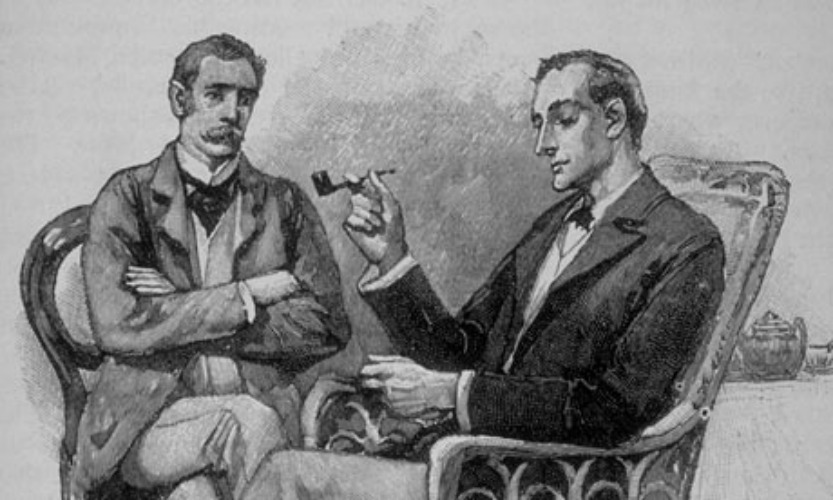
sherlock holmes‘Sherlock Holmes’

It’s arguably one of the most beloved classic children’s books of all times, featuring one of literature’s most popular fictional characters. Unfortunately, Holmes novels were actually filled with racist descriptions of Black people. In the second Holmes novel, India’s aborigines from the Andaman Islands were described as being “naturally hideous, having large, misshapen heads, small fierce eyes and distorted features. Their feet and hands, however, are remarkably small …”


Doctor Dolittle racist

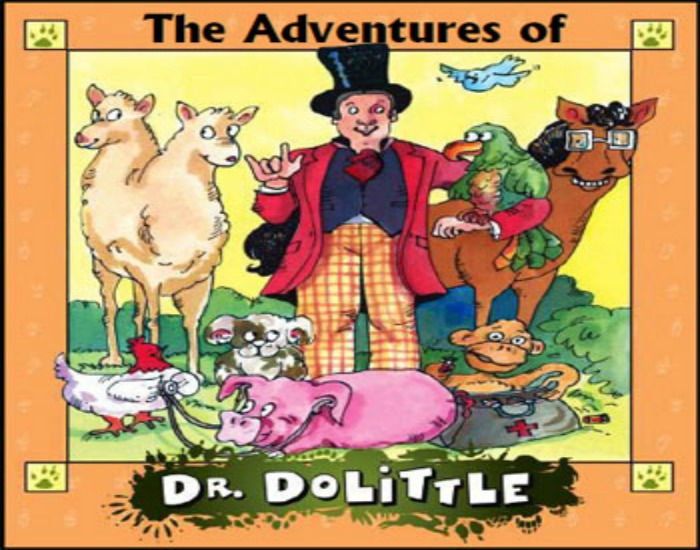
‘Doctor Dolittle’

The movie adaptation that features Eddie Murphy makes it hard to believe that anything about the classic Doctor Dolittle book would be racist, but it’s actually one of the most clearly racist books on the list. In the actual novel, the doctor meets an African prince who desperately wants to marry a white princess. The doctor agrees to “help” the African prince get the woman of his dreams by bleaching his skin. It’s essentially teaching young Black children two things — Caucasians should be highly desired by Black people and that Black people should aspire to be like them to gain their approval or acceptance, even bleaching their skin instead of embracing their beautiful natural complexions.
Democracy needs journalism it can trust.

This election season, the stakes are higher than usual — and so is the pressure on newsrooms to soften their coverage, stay quiet, or just disappear. Independent reporting, the kind that answers to readers instead of advertisers or political pressure, matters more in a moment like this, not less.

For over 14 years, Atlanta Black Star has stayed independent and reader-funded. We have no corporate owner and no shareholders telling us what to cover or how to cover it. That independence is also our biggest vulnerability: nothing protects it except readers choosing to fund it directly.

Newspaper ad revenue has fallen more than 80% since 2005, and local newsrooms are closing at a rate of roughly two a week nationwide. When outlets go under in a moment like this, it's rarely the independent, reader-funded ones that get to stick around.

We know a request for support isn't why you came here. But without readers choosing to fund this work directly, the depth of reporting we can do at home and abroad shrinks along with everyone else's. If you're not in a position to give, that doesn't change how much we value you as a reader.

If you are able to, a recurring contribution does more for us than a single one-time gift, because it lets us plan the next investigation instead of just the next invoice. It takes about 30 seconds, no long form, no account. Thank you for continuing to support independent journalism and freedom of the press.

Back to top