Slavery Did Not Dehumanize Enslaved Africans
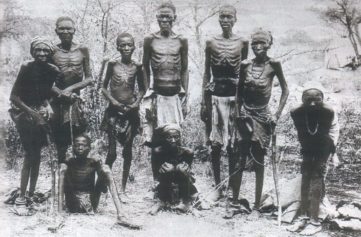
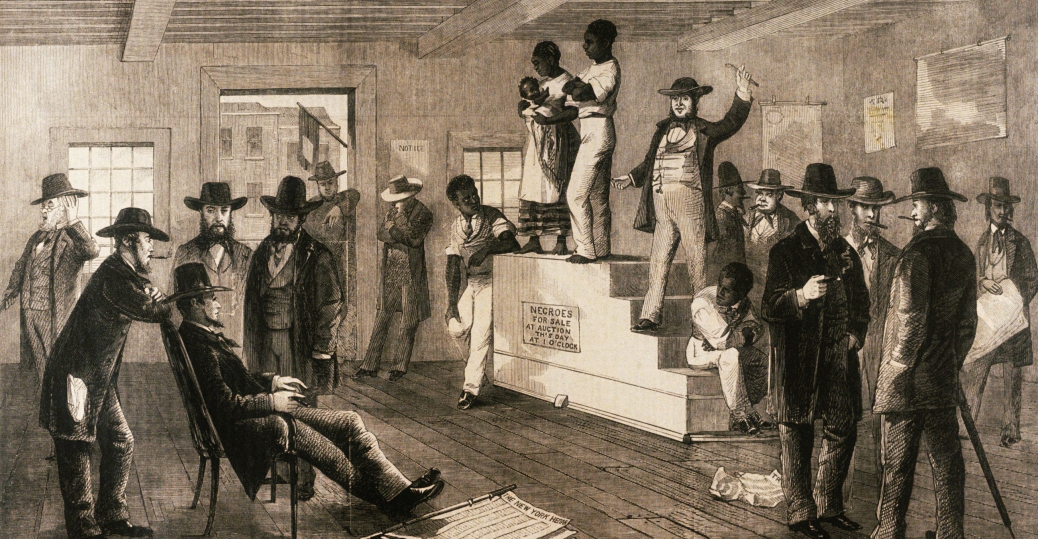
Many historians, as well as filmmakers, have led many to believe that the institution of slavery was not as brutal as one may think. However, this Gone With the Wind fantasy is a fallacy. The very basis of chattel slavery showed that Europeans did not value Black people’s lives and did not treat them as human beings. A 2012 article posted on thegrio.com argues that, “as the master’s property, blacks had no rights under the law, and could be beaten, raped or otherwise abused without recourse.” Furthermore, the overall death toll of slavery confirms that Europeans deemed Black lives as worthless. The late R.J. Rummel, a professor emeritus of political science at the University of Hawaii, conservatively estimated that between 1451 and 1870, 17,267,000 enslaved Africans lost their lives. Various scholars have estimated the death toll was much greater.

Slavery Ended in 1865
Despite the efforts of the Civil War, the release of the Emancipation Proclamation and the addition of the Thirteenth Amendment, slavery, in its literal meaning, didn’t end until well into the 1960s. This is wholly attributed to the fact that the legality of slavery is literally engrained and embedded into the law of the land, the Constitution. Section I of the Thirteenth Amendment reads as follows: Neither slavery nor involuntary servitude, except as a punishment for crime whereof the party shall have been duly convicted, shall exist within the United States, or any place subject to their jurisdiction. The very law that was said to free the slaves was used to re-enslave them. In his book, Slavery by Another Name: The Re-Enslavement of Black Americans from the Civil War to World War II, Douglas A. Blackmon expounds upon the system of convict leasing. Under this system, nearly every Black person charged with a crime, whether a child or an elder, disappeared into the convict leasing system and was subjected to work that was identical to the hard labor that characterized American slavery. Oftentimes, those of the convict leasing system were set up and convicted of crimes they had not committed. Millions of Black people were thrown into the system, and many served lifelong terms.