Obama’s Failure to Understand
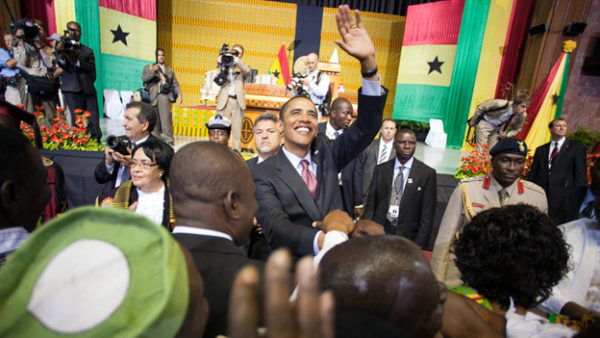
Despite the decades-long trail of broken promises in the West’s relationship with Africa, Obama started things off with a speech in Accra, Ghana, in July 2009, soon after his inauguration, that was marked by finger-wagging and reprimands, by an insistence that African nations’ own mismanagement and lack of democracy are to blame for their economic and social problems, according to writer Lee Wengraf in International Socialist Review. Many Africans were taken aback by the tone and the lack of respect for the depth of the West’s role in creating Africa’s problems. “Yes, a colonial map that made little sense bred conflict, and the West has often approached Africa as a patron, rather than a partner,” he told the Ghanaian parliament. “But the West is not responsible for the destruction of the Zimbabwean economy over the last decade, or wars in which children are enlisted as combatants … No person wants to live in a society where the rule of law gives way to the rule of brutality and bribery. That is not democracy, that is tyranny, and now is the time for it to end.” Obama’s comments turned the reality of African poverty and its root causes on their head, Wengraf wrote. Decades of International Monetary Fund (IMF) and World Bank loans and structural adjustment policies have placed an economic stranglehold on African and other Third World nations.
Drone Strikes Don’t Help
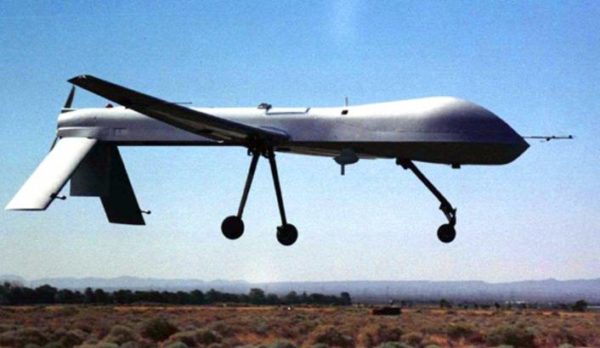
For the U.S. to help countries such as the Central African Republic, Egypt or South Sudan — the top three deteriorating countries on the 2014 Global Peace Index (GPI), an index that ranks 162 countries based on safety and security in society, domestic and international conflicts, and militarization — the answer won’t be found in drone strikes or air strikes, military-first approaches or aid dispatches. Nor will Zambia, Chad, Burundi and Liberia — four of the Top 10 countries most at risk of falling into instability and violence — be made more resilient, according to Michael Shank, Ph.D., associate director for legislative affairs at the Friends Committee on National Legislation and adjunct faculty at George Mason University’s School for Conflict Analysis and Resolution. The answers will instead be found in the attitudes, institutions and structures that sustain peaceful societies, all of which requires a more patient and persevering Western hand. Shank said the problem with many of the West’s policies on the African continent is that they tend to focus on the violence — for example, weapons imports/exports, terrorist activity, homicide rates, violent demonstrations, conflicts fought and violent crime. That’s where U.S. administrations, including Obama’s, tend to direct the majority of funds, ignoring the very indicators that promote peace.


