
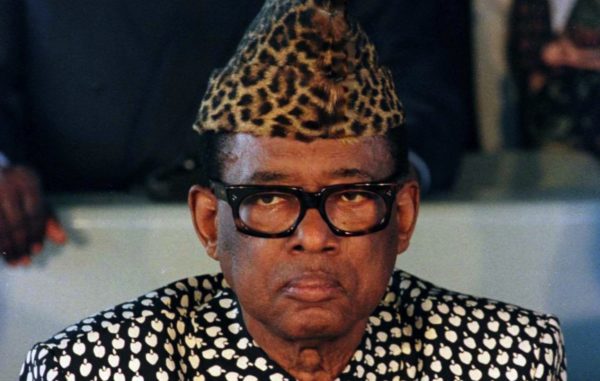
Mobutu Sese Seko
More Aid, More Corruption
As many observers have pointed out, aid often enables corruption. Jeffrey Winters, a professor at Northwestern University, told the U.S. Senate Committee on Foreign Relations in 2004 that the World Bank had participated in the corruption of roughly $100 billion of its loan funds intended for development. The African Union has estimated that corruption was costing the continent $150 billion a year, as international donors were apparently turning a blind eye to the simple fact that aid money was inadvertently fueling graft. According to corruption watchdog agency Transparency International, Mobutu Sese Seko, Zaire’s (Democratic Republic of the Congo) president from 1965 to 1997, reportedly stole at least $5 billion from the country while being backed by Belgium.

Free Money Keeps Bad Governments in Power
A constant stream of “free” money is a perfect way to keep an inefficient or simply bad government in power, writer Dambisa Moyo points out. As aid flows in, there is nothing more for the government to do — it doesn’t need to raise taxes, and as long as it pays the army, it doesn’t have to take account of its disgruntled citizens. No matter that its citizens are disenfranchised (as with no taxation there can be no representation). All the government really needs to do is to court and cater to its foreign donors to stay in power, with no incentive to seek other, better, more transparent ways of raising development finance.


