Metta World Peace
Basketball star Metta World Peace has also been diagnosed with a mental illness and has decided to help others who suffer from similar conditions.
The Los Angeles Times reports: “World Peace sat recently in a room at Resnick Neuropsychiatric Hospital at UCLA before 13 adults who suffer various mental health disorders. A half-hour later, he gathered with 23 kids with similar issues. World Peace provided them with a simple message: I’m facing the same problems you have. ‘I’m still learning about myself,’ he said. ‘This actually helps me in telling my story so I can continuously improve myself, stay mentally stronger and not let stuff bother me as much as it used to when I was younger. I still make mistakes.'”
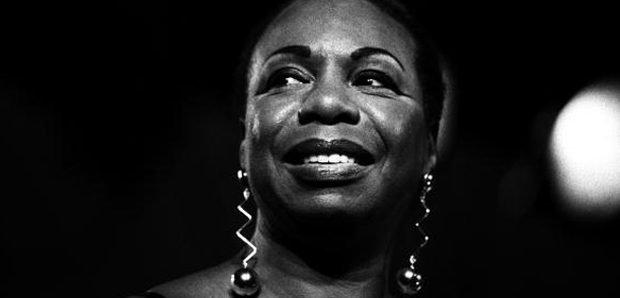
Nina Simone
Legendary jazz singer and civil rights activist Nina Simone was diagnosed with bipolar disorder in the late 1980s.
Nadine Cohodas, author of Princess Noire: The Tumultuous Reign of Nina Simone (2012), touches on Simone’s behavior and bipolar symptoms. The 2004 book, Nina Simone: Break Down and Let It All Out, written by Sylvia Hampton and David Nathan, was the first to reveal Simone’s battle with mental illness. The authors describe Simone’s behavior under the condition:
“Nina Simone had a reputation in the music industry for being volatile and sometimes difficult to deal with, a characterization with which she strenuously took issue. In 1995, she shot and wounded her neighbor’s son with a pneumatic pistol after his laughter disturbed her concentration. She also fired a gun at a record company executive whom she accused of stealing royalties. It is now recognized that this ‘difficulty’ was the result of bipolar disorder. Simone reluctantly took medication for her condition from the mid-1960s on. All this was only known to a small group of intimates, and kept out of public view for many years.”