Colored Merchants’ Association
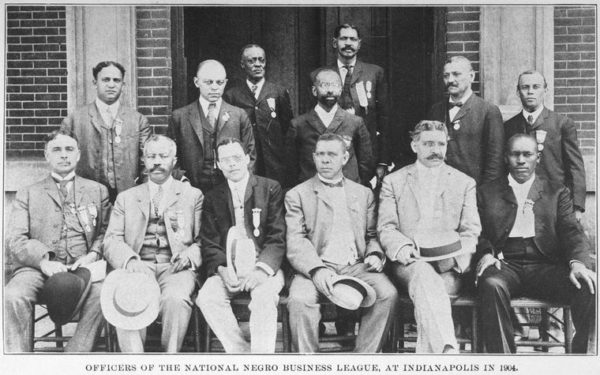
In 1928, the National Negro Business League of Montgomery, Ala., established the Colored Merchants’ Association (CMA), a cooperative organization of Black grocery stores. The purpose of the organization was to reduce the operating costs of Black retailers through mutual support, cooperative buying, and collective marketing — in a harsh market dominated by White-owned chain stores. The CMA model was markedly successful. Associated stores reported increases in business and profits.
The association spread to nearly 18 cities, including Chicago, Philadelphia, Nashville, Dallas and New York. The CMA built its national headquarters in New York City in October 1929. Chapters were organized in cities with 10 or more stores. CMA members paid $5 per month per store and were required to meet designated standards. By 1930, 253 stores were part of the CMA network.
Members received support services from the association, such as intensive training in merchandising techniques, sales training, advertising, and management resources such as market analysis, inventory and bookkeeping systems, and collection and credit procedures.