
Spain
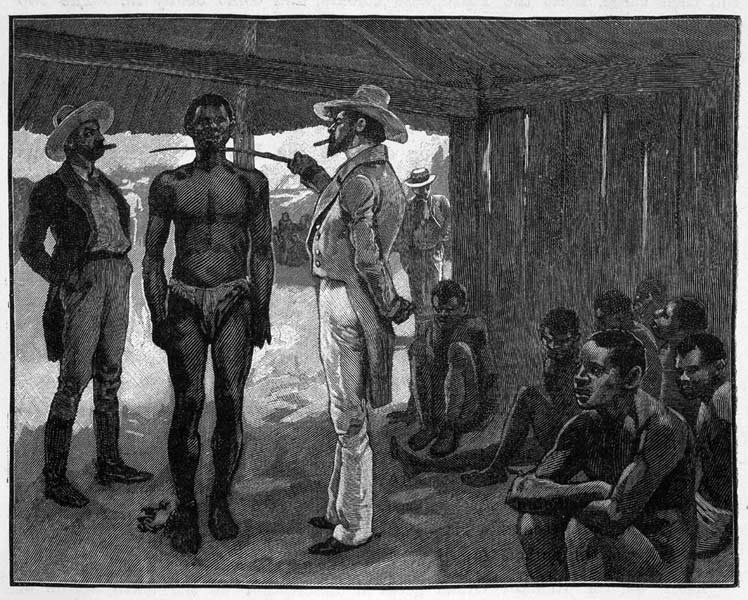
Starting in 1492, Spain was the first European country to colonize the New World, where they established an economic monopoly in the territories of Florida and other parts of North America, Mexico, Trinidad, Cuba and other Caribbean islands. The native populations of these colonies were mostly dying from disease or enslavement, so the Spanish were forced to increasingly rely on African slave labor to run their colonies.
The money generated from these settlements created great wealth for the Hapsburg and Bourbon dynasties throughout Spain’s hold on the area. But it also attracted Spain’s European rivals, prompting Spanish rulers to spend the riches from the Americas to fuel successive European wars.
Spanish treasure fleets were used to protect the cargo transported across the Atlantic Ocean. The ships’ cargo included lumber, manufactured goods, various metal resources and expensive luxury goods including silver, gold, gems, pearls, spices, sugar, tobacco leaf and silk.
Port cities in Spain flourished. Seville, which had a royal monopoly on New World trade, was transformed from a provincial port into a major city and political center. Since the Spanish colonists were not yet producing their own staples such as wine, oil, flour, arms and leather, and had large financial reserves to pay for them, prices in Castile and Andalusia rose sharply as traders bought up goods to ship out.
Prices of oil, wine and wheat tripled between 1511 and 1539. The great vineyards of Jerez, the olive groves of Jaén, and the arms and leather industry of Toledo were established on their present scale during these years.


Source: wikipedia.org
Source: asp52.hubpages.com
Source: mygeologypage.ucdavis.edu


