On the Dec. 19 edition of PBS’ “NewsHour,” attorney and founder of equal justice initiative Bryan Stevenson talks about his involvement in a new memorial recognizing the history of lynching in America.
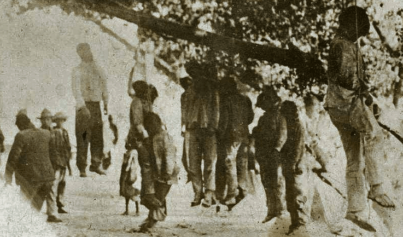
After making a career fighting for the rights of the wrongfully accused, Stevenson turned his attention to a new memorial that will educate and, hopefully, force America to confront the lasting and devastating impact of lynching on Black people.
The memorial, based in Montgomery, Alabama, will have 800 columns that will bear the names of lynching victims, along with the dates and locations of their murders. This elaborate memorial also will include a courtyard with duplicate columns that will be moved to the county where the lynchings actually occurred.
Despite backlash, Stevenson said the nation must reckon with its racist past in order to improve race relations in the future.
“We are really burdened by this legacy,” he said. “We terrorized African-Americans at the end of the 19th century and through half of the 20th century. The demographic geography of this country was shaped by this era of racial terror and lynching.”
Stevenson made note of America’s seeming determination to cling to racist institutions and memorials that other nations around the globe have removed and/or made amends for. He mentioned South African apartheid and Hitler’s Third Reich but said America is lagging far behind others that have dismantled their monuments to slavery, segregation and white supremacy.
“The American South is littered with the iconography of the Confederacy,” Stevenson said. “In South Africa, you have seen that. In Germany, you have seen that. I think they are healthier communities because they acknowledge their histories of mass atrocity and violence. I think we’re less healthy because we haven’t talked about the genocide of Native people. We haven’t talked about slavery. We haven’t talked about lynching.”
The memorial is set to open in 2018.