10 Prominent African-Americans You Didn’t Know Have Roots in the Gullah Geechee Corridor

Author and screenwriter Julie Dash. Photo courtesy of IndieWire.com

Author and screenwriter Julie Dash. Photo courtesy of IndieWire.com

Julie Dash: Daughter of the Dust
Julie Dash, an African-American filmmaker and author, was born on October 22, 1952 in Queens, New York. She was raised by her father, who was a Gullah from the Sea Islands of Georgia. Dash admits she didn’t know much about her Gullah heritage as a child until she noticed her father’s unique accent. She also noted rituals performed by her nanny, who was Gullah as well. Well into her career, Dash wrote the screenplay “Daughters of the Dust,” which takes place on St. Helena Island and tells the story of three generations of Gullah women in the Peazant family in 1902. She followed up with a book titled “Daughters of the Dust: A Novel” in 1997. The sequel is set 20 years after the migration featured in the film.
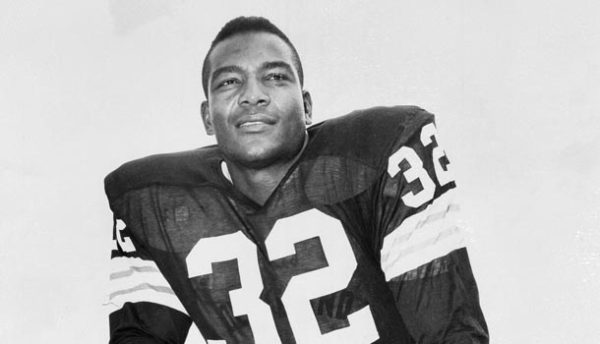
 

This undated file photo shows Cleveland Browns running back Jim Brown posing for a team photo. Photo courtesy of AP Photo/File

Jim Brown: Record-Setting Fullback for the Cleveland Browns

Jim Brown was one of  seven people inducted into the Gullah/Geechee Nation Hall of Fame. A native of St. Simon’s Island, Georgia, the football star grew up in the Geechee community. Brown fell in love with the game of football after moving to Manhasset, New York to live with his mother. He went on to play for the Cleveland Browns and was inducted into the Pro Football Hall of Fame in 1979. After stepping away from football, Brown found a career in acting and appeared in over 30 movies.

 

Independent journalism still matters.

We hope this story was worth your time. For over 14 years, Atlanta Black Star has stayed Black-owned and independently run. We didn't get here by waiting on ad budgets that were never built to prioritize us. Our readers did that.

Corporate support for Black media has always been thin. Outlets like ours get roughly 1% of the $170 billion spent on U.S. advertising each year, and that margin is shrinking further as advertisers walk back the DEI-linked commitments they made in 2020. That's the backdrop. It's not why we're asking.

The wider picture isn't any steadier. Newspaper ad revenue has fallen more than 80% since 2005, and local newsrooms are closing at a rate of roughly two a week nationwide. When outlets go under, it's rarely the ones built to center a Black perspective from the ground up that get to stick around.

We know a request for support isn't why you came here. But without readers choosing to fund this work directly, the depth of reporting we can do at home and abroad shrinks along with everyone else's. If you're not in a position to give, that doesn't change how much we value you as a reader.

If you are able to, a recurring contribution does more for us than a single one-time gift, because it lets us plan the next investigation instead of just the next invoice. It takes about 30 seconds, no long form, no account. Thank you for continuing to support independent journalism and freedom of the press.

Back to top