AP
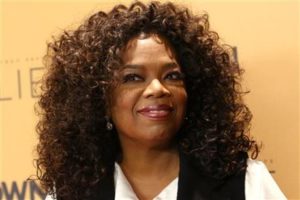
Oprah’s OWN network is now the highest rated among African-Americans and women. The network reached a peak in prime-time viewership, averaging 30 percent growth and reaching 573,000 homes in the past two years. At a time when other networks have experienced declining viewership, OWN is improving.
The network launched in 2011, and since adding producer and writer Tyler Perry to the company, he has contributed four series on the network, according to The Grio.
The Wall Street Journal reports that new shows added to the lineup have improved growth and attracted women and Black audiences. Ava DuVernay, Selma director and Oprah’s co-star in the film, met with the media mogul at her home in 2014 and the pair decided to produce a show for OWN. The series is adapted from the novel “Queen Sugar,” which focuses on a mother and daughter who leave their home in Los Angeles to inherit a Louisiana sugar cane farm.
Oprah is also hands-on with other projects for her channel. She personally reviews scripts and listens to pitches for TV shows. The media mogul is set to play her first role as a recurring character on “Greenleaf,” a scripted series about a megachurch in Memphis set to debut in June.
The increase in ratings for OWN is welcome, as the network struggled to get viewers at its inception. The New York Times reported that in its first two months, OWN struggled to attract more viewers than Discovery Channel, the network it replaced on cable. Approximately 135,000 viewers had been watching on average, and only 45,000 of those were in the 25 to 45 demographic the network was focused on. In 2015, Oprah’s channel had its highest first-quarter ratings in its four years of existence – a feat at that time, according to Deadline. The trend has continued in 2016 with television shows catering to African-Americans and women of today.