Eritrean asylum seeker Haftom Zarhum, 29, was beaten to death by an Israeli mob. (YouTube)
While much of the mainstream media has focused on the recent upsurge in violence between Israelis and Palestinians, they have overlooked a tragic part of the story. Al Jazeera reports that Haftom Zarhum, an Eritrean asylum seeker, was shot and beaten to death in a case of mistaken identity. Zarhum was standing in the vicinity of an attack by a Palestinian and an angry mob assumed he was an accomplice. The mob beat him to death in the attack, which has been described as a lynching. The graphic footage was posted on YouTube.
According to Al Jazeera, Haftum was shot by a security guard, kicked in the head, beaten and also had a bench thrown on him. Some bystanders did try to protect his body from the angry mob. The initial attack occurred when Palestinian Muhand Alukabi stabbed an Israeli soldier, stole his rifle and opened fire on a bus terminal in Beersheba. The attack killed one soldier and wounded 10 people. Israeli police described Zarhum’s death as a tragic misunderstanding.
“The man was hit by bystanders and individual civilians who were in the area. Police are looking into it now and have obtained the CCTV footage of the incident,” said Micky Rosenfeld, a police spokesman.
Sari Bashi, Israel-Palestine country director at Human Rights Watch, said Zarhum’s death was not surprising considering Israel’s current xenophobic atmosphere.
“The death of an asylum seeker at the hands of security guards and an angry mob is a tragic but foreseeable outgrowth of a climate in which some Israeli politicians encourage citizens to take the law into their own hands,” Bashi said. “The Israeli authorities should investigate and prosecute those responsible for the attack. Israel faces acute threats to public safety, but vigilantism will only lead to more innocent people being harmed or killed.”
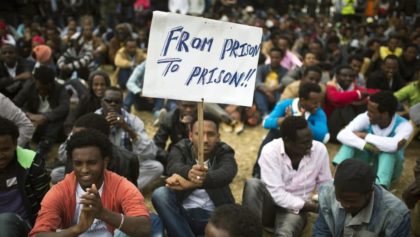
In recent years, Israel has developed an extremely hostile attitude to migrants from Africa. They claim accepting them would change the makeup of the country. According to Al Jazeera, in July, a court approved the deportation of refugees to countries such as Rwanda and Uganda and also signed off on the indefinite detention of refugees who refused deportation.
Israeli Culture Minister Miri Regev has described asylum seekers as a “cancer in Israel’s body,” and residences and schools servicing migrants have been the target of arson attacks.
Some Israelis have also staged marches where they chanted racist slogans and urged African migrants to return home.