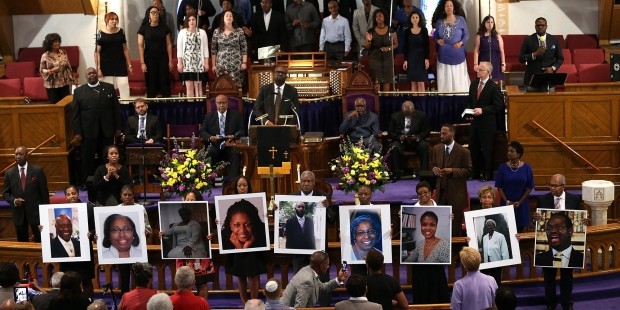
8 Reasons Why the Mainstream Media’s Propagation of the Forgiveness Narrative Is Problematic for Black People

Win McNamee via Getty Images

Win McNamee via Getty Images

It supports the notion that racism is of the past.

While this narrative is believed to be a coping mechanism for Black people, it only seeks to comfort the guilt of white people. It completely disregards the hundreds of years of suffering that Black people have endured and implies that it is the obligation of the Black race to forgive every racist, horrendous act that has been committed. In fact, The New York Times released an article, titled “Why I Can’t Forgive Dylann Roof,” that states the following: “The call for forgiveness is a painfully familiar refrain when black people suffer. White people embrace narratives about forgiveness so they can pretend the world is a fairer place than it actually is, and that racism is merely a vestige of a painful past instead of this indelible part of our present.”
 

via cnn.com

via cnn.com

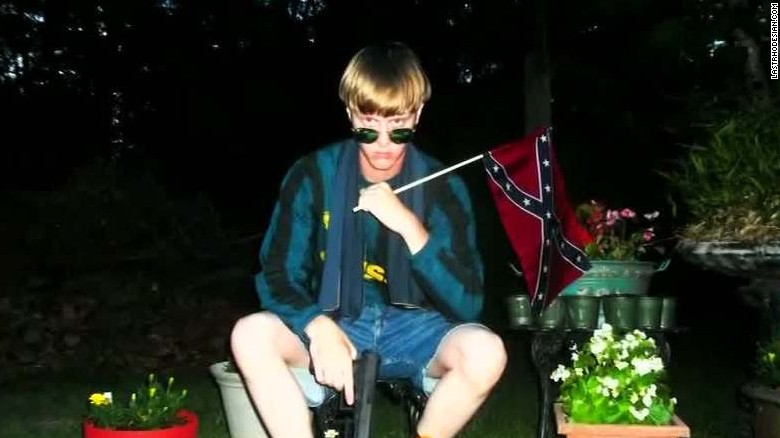
It humanizes racial terrorists.

This particular narrative implies that terrible acts committed against Black people must have had an understandable reason behind them. It, in essence, justifies white people’s racial acts of terrorism. For instance, The New York Times’ article expresses that the media have “tried to understand Dylann Roof’s hatred because surely, there must be an explanation for so heinous an act.” This narrative wrongly suggests that hatred and racism cannot be the only motives for hate crimes; it infers that the Black victims must have done something to deserve their maltreatment.

Independent journalism still matters.

We hope this story was worth your time. For over 14 years, Atlanta Black Star has stayed Black-owned and independently run. We didn't get here by waiting on ad budgets that were never built to prioritize us. Our readers did that.

Corporate support for Black media has always been thin. Outlets like ours get roughly 1% of the $170 billion spent on U.S. advertising each year, and that margin is shrinking further as advertisers walk back the DEI-linked commitments they made in 2020. That's the backdrop. It's not why we're asking.

The wider picture isn't any steadier. Newspaper ad revenue has fallen more than 80% since 2005, and local newsrooms are closing at a rate of roughly two a week nationwide. When outlets go under, it's rarely the ones built to center a Black perspective from the ground up that get to stick around.

We know a request for support isn't why you came here. But without readers choosing to fund this work directly, the depth of reporting we can do at home and abroad shrinks along with everyone else's. If you're not in a position to give, that doesn't change how much we value you as a reader.

If you are able to, a recurring contribution does more for us than a single one-time gift, because it lets us plan the next investigation instead of just the next invoice. It takes about 30 seconds, no long form, no account. Thank you for continuing to support independent journalism and freedom of the press.

Back to top