 By Chermelle Edwards
Comics can be more than just a funny panel of stories. Woven together like a patch quilt, its strip can tell the narratives of a generation with a block of successive drawings.
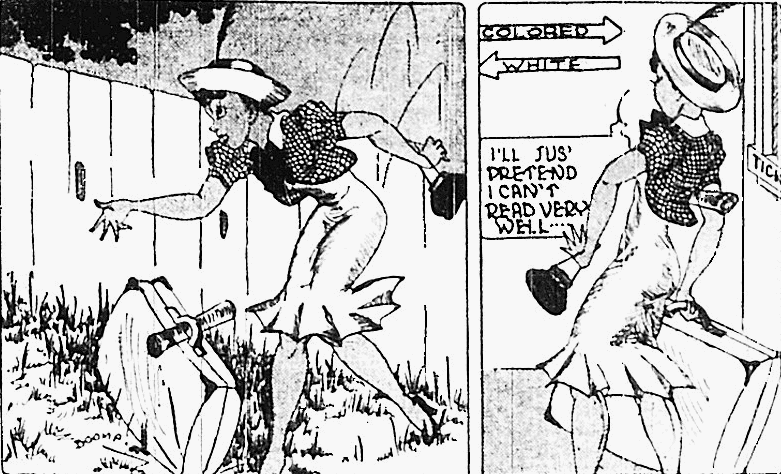
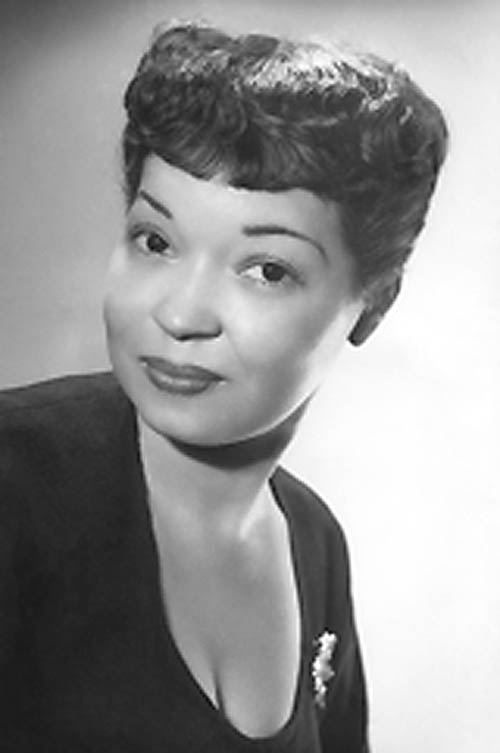
Jackie Ormes, the first African-American woman to have a syndicated comic strip, paved and pioneered an alternative narrative for women of color by juxtaposing the stereotypes of her era with comic panels featuring beautiful, strong-willed and educated women.
Born Zelda Mavin Jackson, Ormes’ career began in print
journalism as a proofreader in her home state of Pennsylvania for the Pittsburgh Courier. The Courier was a weekly African-American newspaper where she created her first syndicated comic strip, Torchy Brown in Dixie to Harlem, about a teenager from Mississippi who gained fame in the historic Cotton Club. From 1937 -1938, Torchy Brown sung and danced her way weekly into the homes of the Courier’s readers through Ormes’ drawings.
At the height of the Second World War, while living in Chicago, another character surfaced from the mind and hand of Ormes. This time, the character Candy, drawn as an attractive wisecracker who worked as a housemaid, appeared in a single panel cartoon in the Defender. While many women of Ormes’ day performed the duty of Candy, Ormes’ cartoon empowered such women in the domestic sphere as well as the more than 6 million who took jobs previously held by men while they fought abroad in the war.
 Ormes used her voice intentionally and became known for working with notable Black newspapers that gave her and her characters a place to speak. More than just drawing for fun, her stories of women showed her acute awareness of the socio-political concerns of her time and her desire to re-write the image of African-American women.
Three years after the creation of Candy, Ormes most famous comic was created, Patty-Jo ‘n’ Ginger running for a historic 11 years. Detailing the sister-like relationship of two characters, a young child socially and politically knowledgeable and a beautiful, fashion-forward woman, their presence spoke to Ormes’ passion for powerful and positive narratives.
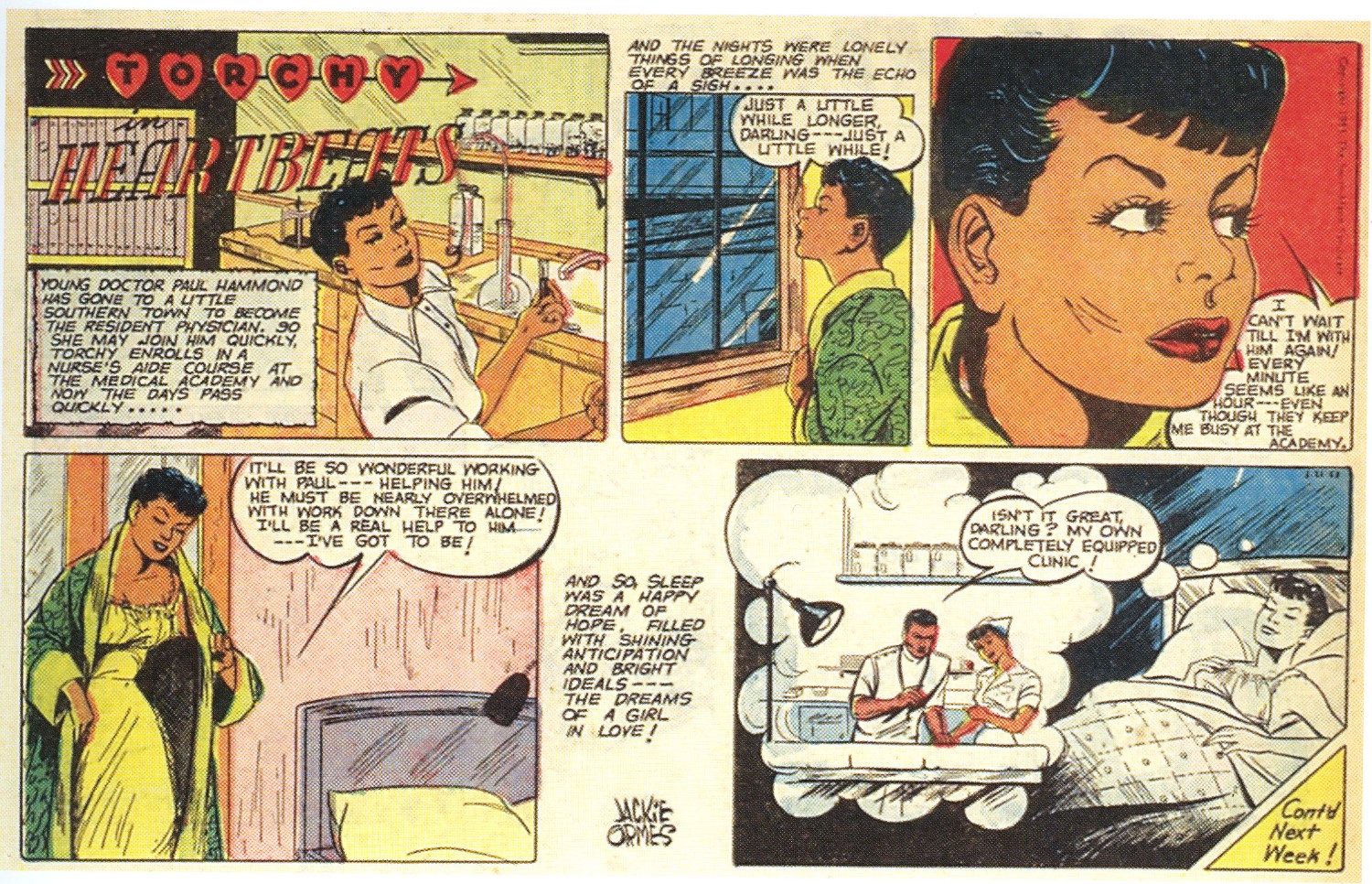
So impactful was her child character that two years after its first appearance, the Terri Lee Doll company created a play doll after Patty-Jo in 1947. Three years later, Ormes’ work continued with a revitalization of her first published character Torchy, in Torchy in Heartbeats. This time, Torchy, drawn to be as beautiful as Ormes’ other characters, was known for being independent and adventurous. Not one to miss out on the opportunity to use her characters to raise awareness on issues of the day, the final strip in 1954 of Torchy in Heartbeats featured Torchy tackling racism and environmental pollution.
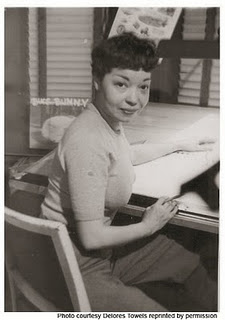 While Ormes created characters that were beloved for their bravery and beauty, the artist retired from the cartoon world in 1956, spending the next nearly 30 years dedicated to a legacy of a 45-year-old marriage to Earl Clark Ormes, creating art, contributing to South Side Chicago volunteering her time creating fashion events. An avid collector of antique dolls, upwards of 150, it was no wonder she became a founding member of the DuSable Museum of African American History. Honors continued to be bestowed upon her well after her death. In 2014, she became an inductee into the National Association of Black Journalists Hall of Fame, a fitting honor given how her historic career began as a journalist with The Courier. Today, the Ormes Society, named in her honor, continues her work of supporting Black comics and pioneering the voice of Black female comics.
Ormes’ life may have been dominated with cartoons, yet, such sketches of her time became a document of a generation.