
Giving alms to Africa remains one of the biggest ideas of our time — millions march for it, governments are judged by it, celebrities proselytize the need for it. According to writer Dambisa Moyo, a former economist at Goldman Sachs and the author of “Dead Aid: Why Aid Is Not Working and How There Is a Better Way for Africa,” calls for more aid to Africa are growing louder, with advocates pushing for doubling the roughly $50 billion of international assistance that already goes to Africa each year.
Aid Makes the Poor Countries Even Poorer
Over the past 60 years, at least $1 trillion of development-related aid has been transferred from rich countries to Africa, according to estimates, but the per-capita income on the continent today is lower than it was in the 1970s. The number of people living on less than a dollar a day, currently more than 50 percent of the population (more than 350 million people), has nearly doubled in two decades. African countries pay close to $20 billion in debt repayments per year, which writer Moyo says is a stark reminder that aid is not free, pointing out that in order to keep the system going, debt is repaid at the expense of African education and health care.
More Aid, More Conflict
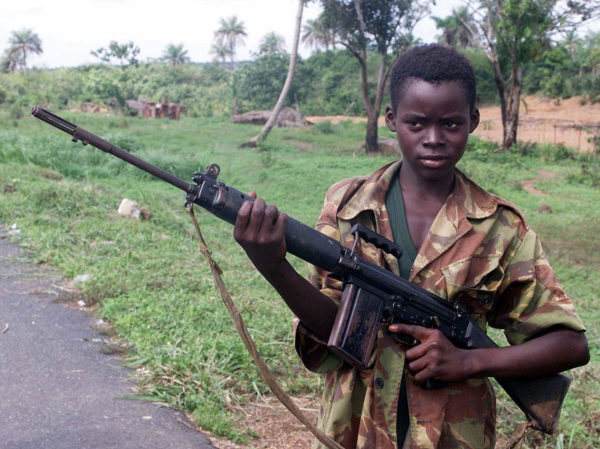
Foreign aid often focuses on the self-interests of the donor, rather than the needs of the recipient, according to an analysis by Erika Lal of Azusa Pacific University. A study conducted at Brigham Young University found that aid contributes to conflict in localized clusters. By looking at foreign aid projects in Sierra Leone, Mozambique and Angola during both conflict period and nonconflict periods, the researchers determined aid is positively associated with conflict.


