Abolition of Slavery in Jamaica
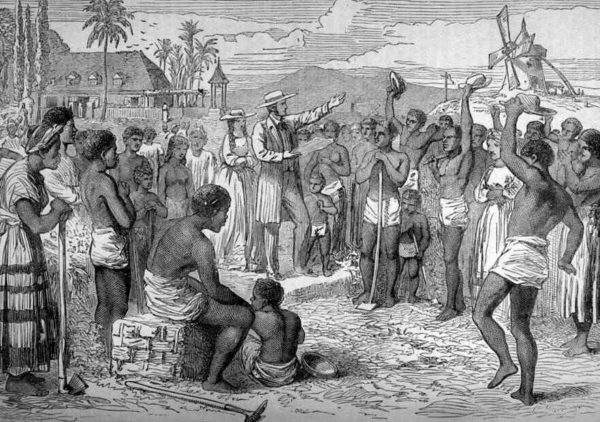
The fear of more uprisings as well as other factors prompted the British to abolish slavery in Jamaica on Aug. 1, 1834. At that time, the British attempted to make all enslaved Blacks remain working for the same masters as apprentices. The system was a failure, and that also was abolished. Enslaved Blacks received their unrestricted freedom on Aug. 1, 1838.

Legacy of Slavery in Jamaica
In order to sustain the exploitation of Blacks, an ideology of racism was developed to make the terms African, “negro” and “slave” interchangeable. The primary objective of this ideology was to categorize Black Africans, including those on the island, as less than human.
The effect of this racist campaign on the self-confidence of Africans and people of African descent can still be seen to this day, where dark brown or black skin is seen by many Jamaicans as inferior to light or white skin — as well as other African characteristics such as broad noses, thick lips and tightly curled hair.
Also, a hierarchy based on skin tone was created by British colonizers to divide and rule over the Africans. Lighter-skinned Blacks were given more privileges to encourage them to aid the slave masters in the oppression of darker-skinned Blacks. This dynamic still remains in Jamaica to some degree today.