In his 2007 documentary Banished, filmmaker Marco Williams examined four examples of primarily white communities violently rising up to force their African-American neighbors to flee town. This became one of the techniques used to sabotage Black land ownership, a devastating trend in the 19th and 20th centuries that robbed Blacks of millions in generational wealth.
In 2001, results from an 18-month investigation of Black land loss in America were published by The Associated Press. It turned up 107 of these land takings, 57 of which were violent, the other cases involved trickery and legal manipulations. Here are eight of these heartbreaking stories.
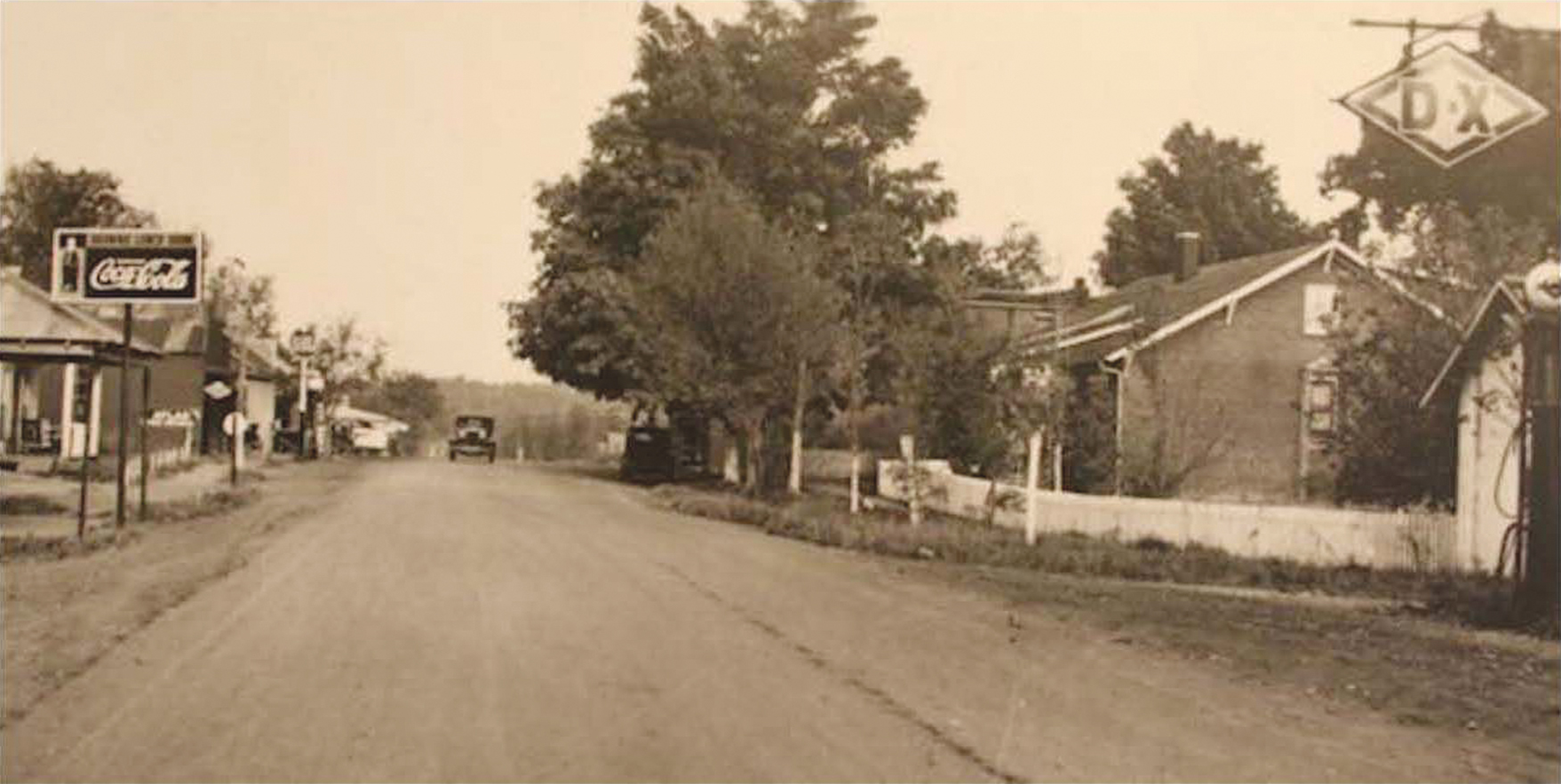
Birmingham, Kentucky
Today, the town of Birmingham, Kentucky, lies under a floodway created in the 1940s. But at the start of the 20th century, it was a thriving tobacco town with a predominantly Black population. It also was a battleground during a five-year siege by white marauders called Night Riders.
On the night of March 8, 1908, about 100 armed whites on horseback raided the Black part of the town, shooting seven people, three of them fatally. The AP documented 14 cases where Black landowners were driven from Birmingham. Together, they lost more than 60 acres of farmland and 21 city lots to whites – many at sheriff’s sales, all for extremely low prices.

Pierce City, Missouri
In Pierce City, Missouri, 1,000 armed whites burned down five Black-owned houses and killed four blacks on Aug. 18, 1901. Within four days, all of the town’s 129 African-Americans fled, never to return, according to a contemporary report in The Lawrence Chieftain newspaper. The AP documented the cases of nine Pierce City Blacks who lost a total of 30 acres of farmland and 10 city lots. Whites bought it all at bargain prices.